
Despite effective HIV medication, the immune systems of people with HIV remain dysregulated in the long term. Researchers of the Amsterdam institute for Immunology and Infectious Diseases examined whether this disruption could be prevented by starting HIV treatment immediately after infection, within just a few days. They found that the immune system functioned similarly to that of people without HIV for about six months, but over time it became disturbed again.
This is a striking finding, as it had long been assumed that starting HIV medication extremely early could prevent lasting immune system damage. A well-functioning immune system is crucial for overall health and the body’s ability to recover from illness. Godelieve de Bree, internist–infectiologist at Amsterdam UMC, explains: ‘Our research shows that after an acute HIV infection there is a short window in which the immune system still behaves normally, but that this protection fades over the years, even with successful treatment. This underscores the importance of continuing to search for approaches that offer durable immune protection when developing new treatments.’
Comparisons
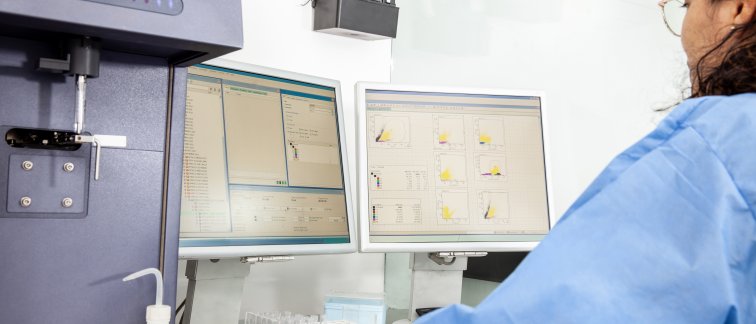
In the study, researchers analyzed the immune systems of men with HIV who began treatment immediately after infection (acute HIV infection) and compared them with individuals who started therapy later, during the chronic phase. They also compared their findings to people without HIV. The team focused particularly on monocytes, immune cells that play a key role in the body’s initial defense against viruses.
Dysregulation returns after three years
Men who began HIV treatment during the acute phase initially showed a well-functioning immune system, with responses similar to those of individuals without HIV. However, blood tests revealed that three years after starting therapy, these immune cells once again became dysregulated. Killian Vlaming, PhD candidate at Amsterdam UMC, notes: ‘The cells no longer respond the way they do in healthy people: production of key inflammation-promoting substances declines, and immune responses become less effective against infections.’ Theo Geijtenbeek, professor of Immunology at Amsterdam UMC, highlights the significance: ‘This is genuinely new. Our results show that the so-called ‘window of opportunity’ in which the immune system responds optimally may exist only in the first months after infection.’ This period is critical because treatment initiated then has the greatest chance of long-term success.
Implications for future HIV treatment
The findings point to a need for new therapies that can provide lasting immune protection. Further research is required to understand why the initial protection is only temporary and how long-term immune dysregulation can be prevented. ‘These insights are important for future HIV treatment,’ says De Bree. ‘We must focus on better long-term protection of the immune system, not only during the early phase.’
Learn more about our AI&I HIV-research
In September 2025, we published the article ‘Study Unravels Long-Lasting Benefits of Temporary Treatment During Early HIV Infection’, which explored how early treatment affects the HIV reservoir. This new research project shifts the focus to immune system dysregluation, investigating how early treatment influences the body’s immune response. Curious about the foundation for this work? Be sure to read our previous article for deeper insights into the impact of early intervention on HIV:
Study Unravels Long-Lasting Benefits of Temporary Treatment During Early HIV Infection (September 2025)
For more information contact Theo Geijtenbeek or read the scientific publication below:
- Treatment in acute HIV infection only temporarily preserves monocyte function: a comparative cohort study in adult males
Amsterdam UMC researchers involved
Killian Vlaming1, PhD-candidate
Pien van Paassen1, PhD-candidate
John van Hamme1, Research technician
Stella Schonherr, MSc student biomedical sciences
Tanja Kaptein1, Research technician1
Karel van Dort1,2, Research technician
Irma Maurer1,2, Research technician
Jan Prins1, Head department of Internal Medicine
Neeltje Kootstra1,2, Professor of Immune Pathogenesis of Viral Infections and Interventions
Theo Geijtenbeek1, Professor of Molecular and Cellular Immunology
Godelieve de Bree1,2, Internist-infectiologist and immunologist
1Amsterdam Institute for Immunology and Infectious diseases (AI&I), Amsterdam UMC, the Netherlands
2Amsterdam Public Health (APH), Amsterdam UMC, the Netherlands
Funding
This research is made possible thanks to the support of several key grants. The NL4Cure project, funded by ZonMW and Aidsfonds, the ZonMW/Aidsfonds Spiral grant and the ZonMW COVID-19 Hepapuff project grant.