
General
Join neuroscience researchers on December 15th as they elaborate on decoding neurodegeneration through large-scale data integration: from genetic risk to cellular mechanisms.
Understanding how genetic risk translates into disease mechanisms is key to uncovering the biology of neurodegeneration. In this seminar, we explore how large-scale genetic, transcriptomic, and single-cell datasets can be integrated to link genetic variation to clinical phenotype, and cellular dysfunction. Focusing on frontotemporal dementia (FTD) and amyotrophic lateral sclerosis (ALS), the talks will highlight recent advances in identifying shared genetic profiles, disease mechanisms, and cell-type–specific vulnerabilities across the ALS–FTD spectrum.
Program
| 14:30 - 14:40 | Walk in |
| 14:40 - 14:45 | Word of Welcome by TN2 organization |
| 14:45 - 15:20 | Keynote lecture by dr. Jack Humphrey - Integrative functional genomics in postmortem tissues from the ALS/FTD disease spectrum identify new biomarkers and mechanisms for patient stratification |
| 15:20 - 15:40 | Presentation by dr. Lianne Reus - Genetic risk factors for frontotemporal dementia and their effects on phenotype |
| 15:40 - 16:00 | Presentation by dr. Anke Dijkstra - Genetic risk factors and their impact on pathology |
| 16:00 - 16:25 | Panel discussion with all speakers |
| 16:25 - 16:30 | Wrap up by TN2 organization |
| 16:30 -17:30 | Network and drinks |
Speakers
Jack Humphrey obtained his PhD in Clinical Neuroscience from University College London, after spending time as a visiting researcher at Stanford University and as an intern at a cancer biotech startup. After moving to New York for a postdoctoral fellowship at Mount Sinai School of Medicine in the lab of Towfique Raj in 2019, he was promoted to junior faculty in 2021. He develops and applies methods to analyze large human datasets to understand the genetics and biology of neurodegenerative diseases, including Amyotrophic Lateral Sclerosis, Frontotemporal Dementia, and Alzheimer's disease. He is a Visiting Scientist at the New York Genome Center where he leads the functional genomics analysis of postmortem tissue samples. His research program has been funded by the ALS Association, Target ALS, My Name'5 Doddie, CurePSP, the Packard Center, and the NIH.
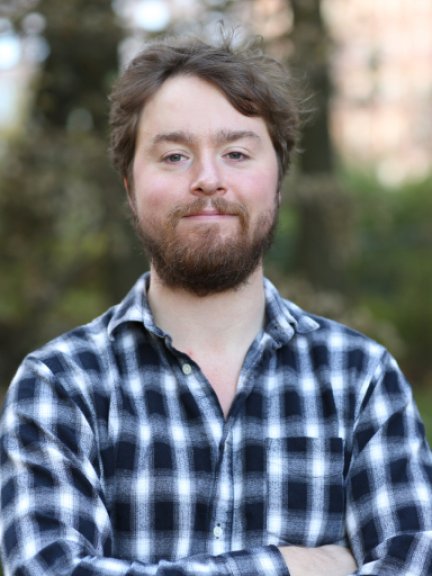
Lianne Reus
Lianne Reus her research aims to identify (epi)genetic risk factors for frontotemporal dementia (FTD), and to investigate their biological and clinical consequences on disease pathways through multimodal data integration. To achieve this, she uses advanced technological and analytical tools across scientific domains, forming a crucial translational bridge between clinical neuroscience, bioinformatics, and statistical genetics. By integrating multi-omics data, her aim is to uncover key biological mechanisms linking FTD risk factors to disease pathology. Dr. Reus is the principal investigator of an international sporadic FTD GWAS initiative (the International FTD Genomics Consortium, IFGC), comprising over 30 partners. Her expertise in multi-modal integration of omics data allows her to pinpoint critical biological processes linking genetic risk to neurodegeneration. Through international collaborations and cutting-edge genomic methodologies, she aims to advance the understanding of FTD and drive novel therapeutic strategies.
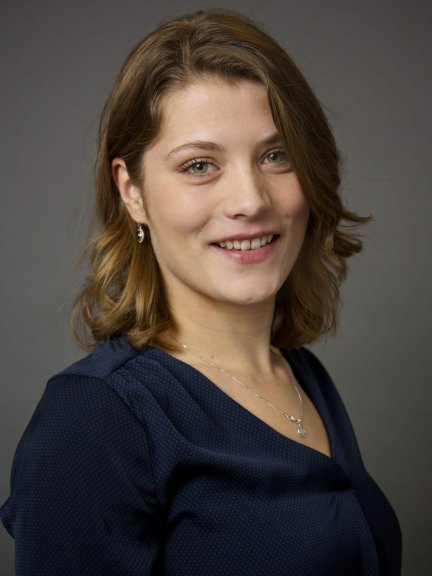
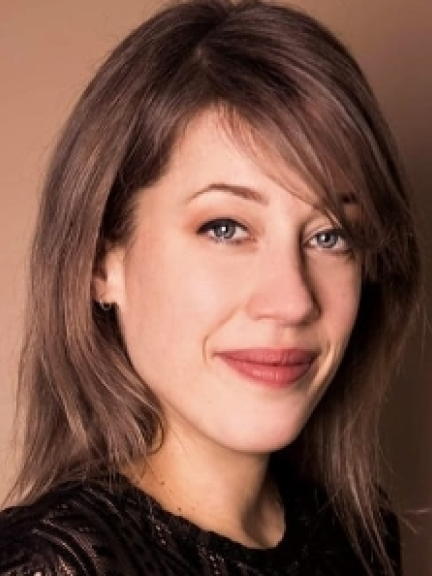
Anke Dijkstra
Anke Dijkstra is an assistant professor at the University of Amsterdam within the Swammerdam Institute for Life Sciences.
Date and Location
Location: Conference Room 't IJ, 2nd floor, next to the pantry.
Building: RDC - Adore Building, Amsterdam UMC, location VUmc.
Address: Van der Boechorststraat 6B, 1081 BT Amsterdam.
Costs and registration
This event is free to attend.
Registration is open, use this form to register for the event.
Please register only if you’re able to attend the symposium in person.