
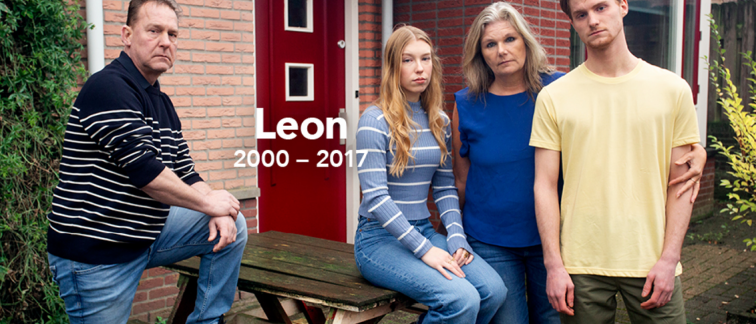
The Psychosocial Autopsy (PSA) study was established to make the story behind the numbers visible. Through extensive questionnaires and in-depth interviews with bereaved family members, the study systematically learns from lived experiences to strengthen suicide prevention efforts in the Netherlands.

Saskia Mérelle, senior researcher at 113 Suicide Prevention and Amsterdam UMC: “We started with PSA in 2018 after a peak in suicides among teenagers in 2017. Later, we also examined railway suicides. But we had to turn away bereaved families if their loved one had used a different method. That’s when we realized: we need a database where everyone can share their story, so we can learn from recent suicides and make meaningful recommendations for policy and practice.”
The value of this approach is significant for bereaved families as well. Mérelle: “At first, the Medical Ethical Committee found it confronting to interview people about such a sensitive topic. But we have learned by doing so that families appreciate our neutrality and the fact that we truly listen. It helps them put the pieces together. It reduces the issue of blame and gives the bereaved a broader perspective.”
Since 2023, the study has been conducted nationwide. The database now includes more than 1,500 completed questionnaires and approximately 300 interviews.
Hidden suffering and social dynamics among youth
In a recent study by Balt et al. (2025) using data from PSA, 428 suicides were analyzed, divided between young people and middle-aged adults. Among young men, suicide often occurred unexpectedly: without ongoing treatment, without prior explicit communication about suicidal thoughts, and without a known previous attempt. Conversations with bereaved families revealed patterns of silent suffering and difficulty seeking help.
PSA data show that young women were more often already known to care providers or communicated more explicitly about suicidal thoughts than young men. They were more likely to have been in active treatment or to have had a prior history of care. A substantial proportion had been exposed to suicide within their immediate environment. Experiences of sexual violence were also reported relatively frequently, with profound consequences for self-esteem, trauma symptoms, and anxiety.
Timely recognition of suicidal thoughts in young people remains challenging. Mérelle: “About half of parents are unaware that their child has suicidal thoughts.”
Acute crisis and physical burden in midlife
In the middle-aged group (ages 40–70), distinct patterns emerged. Among men, suicide often developed in the context of a sudden crisis. For example following a relationship breakdown or job loss, sometimes without a long psychiatric history. PSA data show that a significant proportion of men in this group had experienced work-related problems or medical leave prior to their death. Mérelle: “Losing a job is extremely impactful, especially on someone’s sense of identity.”
Among women in this age group, chronic physical conditions, pain, and functional limitations were reported relatively often. Bereaved families frequently described physical burden as a significant factor in the period preceding death. Suicide in midlife is therefore associated with social, financial, and physical stressors.
When care falls short
More than half of those who died had a psychiatric diagnosis, and approximately 40% were receiving treatment at the time of death. Mérelle: “In retrospect, we often see a clear help-seeking trajectory, significant psychological problems and formal diagnoses. But finding appropriate care remains difficult.”
Interviews indicate that young people with suicidal thoughts are sometimes referred quickly to specialized services, even though differentiation in care is essential. Mérelle: “In primary care, panic can arise when someone expresses suicidal thoughts. Yet in some cases, it may be better to keep someone connected to their own support network, while ensuring that specialized care is available when truly needed.”
From insight to better prevention
The strength of the PSA lies not only in identifying patterns, but in systematically learning from suicide cases. Findings are reviewed by a multidisciplinary expert committee and translated into recommendations for practice and policy across health care, education, and employment sectors.
In addition, a learning system called Harmony is being developed to review suicides within mental health services. Mérelle: “First, there is a support meeting to acknowledge the impact on professionals. Then comes reflection: which risk factors for suicidality were present, how were they treated, and what can teams improve in mental health care for suicidal patients? Nationwide shared learning is still insufficient. We want to change that.”
In the coming years, the PSA team aims to further expand the database and conduct in-depth research on specific populations and themes. The goal remains clear: to better understand what precedes suicide and to prevent it wherever possible.
About the PSA team
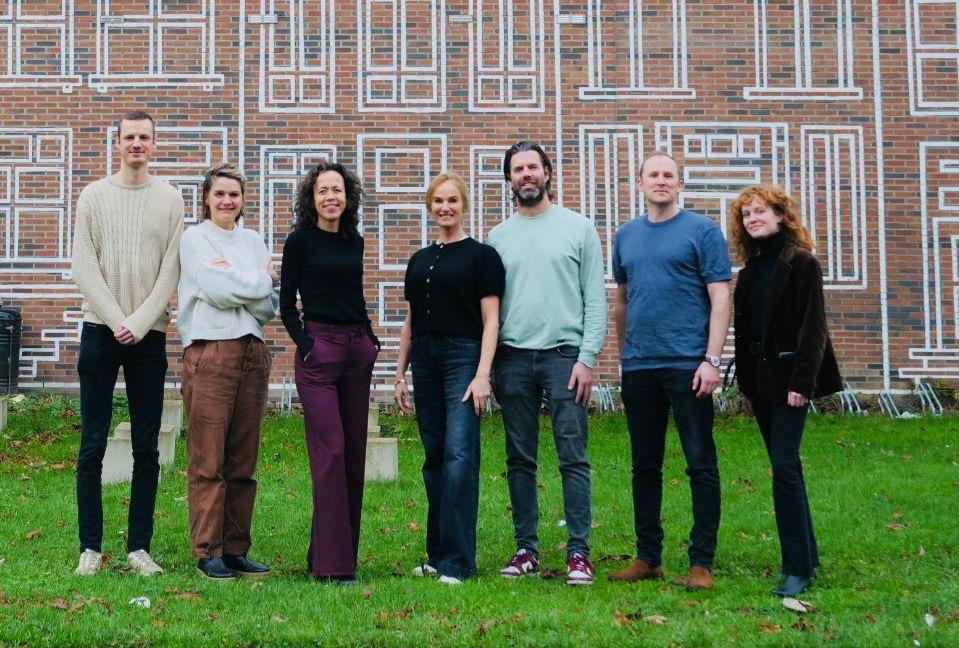 Core team PSA and Harmony (fltr): Stefan Vrinzen, Jet Heering, Saskia Mérelle, Gabriella de Rooij, Merijn Eikelenboom, Elias Balt and Dewi Wiggers.
The Psychosocial Autopsy is conducted by the research team from 113 Suicide Prevention, the national expert center for suicide prevention in the Netherlands. A multidisciplinary team of approximately thirty researchers analyzes suicide from multiple perspectives, ranging from individual vulnerability to broader societal factors and multilevel interventions. The research team collaborates with health care institutions, schools, municipalities, and community organizations to translate findings into tangible improvements in policy and practice.
Read the full scientific article on this study here: https://bmjpublichealth.bmj.com/content/3/2/e001651
More information on the PSA study
Visit the PSA/113 website