
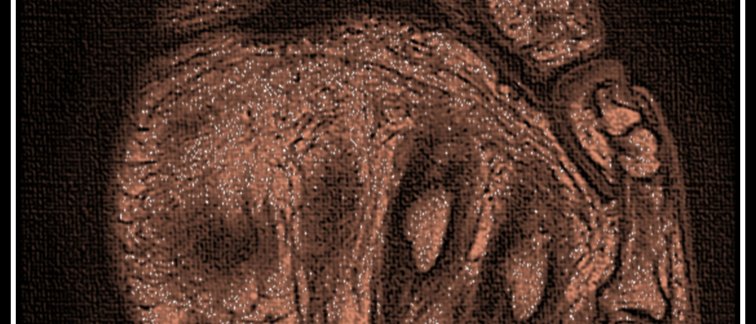
Diabetes-related foot ulcers represent a significant health burden due to their high recurrence rates and risk of amputation. These ulcers frequently develop under the hallux or metatarsal heads. Ulcer recurrence risk is particularly high in the months following healing, and it is suggested that the vulnerability of the skin and underlying tissues of a just healed ulcer contributes to this. This vulnerability may be due to tissue-related alterations, more specifically, changes in the mechanical, morphological, histological, and functional properties of the skin and tissue.
To better understand tissue vulnerability, we aim to investigate how tissue properties at healed ulcer sites evolve over time. Such knowledge may better guide preventative treatment with the goal to help prevent or delay ulcer recurrence.
The main objective of this study is to assess the mechanical, morphological, histological, and functional soft-tissue properties in the plantar forefoot of people with diabetes at healing of their foot ulcer, and over 4 months post-healing.
Secondary objectives are to 1) investigate the effects of weight-bearing on bone and soft tissue geometry, and 2) determine the cumulative plantar tissue stress at six weeks after healing, and its association with structural changes within the tissue.