
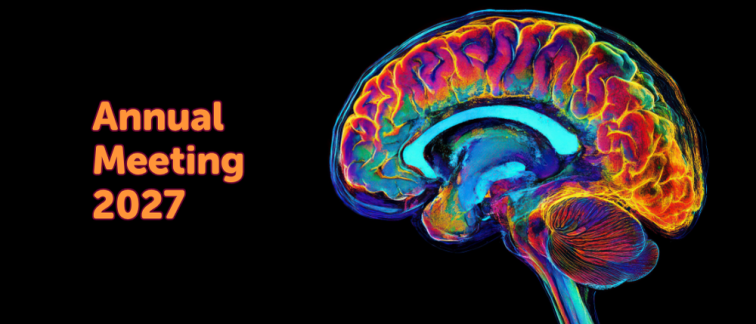
The Amsterdam Neuroscience Annual Meeting 2027 will take place on January 22, bringing this year’s theme, Where Mechanistic Neuroscience Meets Clinical Innovation, to life. As a member of the Amsterdam Neuroscience research institute, you are invited to join us for an inspiring day of sharing ideas, discovering the latest neuroscience research, exploring new collaborations, and shaping the future of neuroscience. We look forward to bringing neuroscientists and clinicians from Amsterdam UMC, Vrije Universiteit Amsterdam, and the University of Amsterdam together once again — this time at DeLaMar Theater on January 22, 2027.
Theme
Every day, researchers and clinicians within Amsterdam Neuroscience work on discoveries that advance our understanding of the brain in both health and disease. By bringing together expertise in neuroscience and psychiatry across the Amsterdam region, Amsterdam Neuroscience creates an environment that fosters successful interdisciplinary collaboration and innovation.
Our community spans the full spectrum of brain research, from uncovering mechanisms at the molecular and cellular levels to developing new diagnostics and therapies for neurological, neuroimmunological, and neuropsychiatric disorders. By connecting fundamental scientific discoveries with clinical applications, we aim to translate research into meaningful clinical impact. The challenges are substantial, but so is our commitment to advancing neuroscience and improving patient care.
The Amsterdam Neuroscience Annual Meeting 2027, with this year’s theme, “Where Mechanistic Neuroscience Meets Clinical Innovation,” will bring together researchers and clinicians from across disciplines to explore how mechanistic insights into brain function and dysfunction can drive the next generation of diagnostics, treatments, and innovations in neuroscience.
Program
What can you expect at the Amsterdam Neuroscience Annual Meeting 2027?
| 08:45 - 09:15 | Registration & coffee |
| 09:15 - 09:30 | Opening of the plenary room & balcony (Mary Dreselhuys zaal) |
| 09:30 - 09:45 | Words of welcome by the directors of Amsterdam Neuroscience |
| 09:45 - 10:45 | Part 1 | Cutting-edge insights into axon initial segments, neuronal excitability, and circuit dysfunction |
| 10:45 - 11:00 | 3 posterpitches by Amsterdam Neuroscience PhD students |
| 11:00 - 11:30 | Coffee break |
| 11:30 - 12:00 | Part 2 | A deep dive into the blood-brain barrier and its implications for therapeutic development |
| 12:00 - 12:30 | Part 3 | Young Amsterdam Neuroscience |
| 12:30 - 12:45 | 3 posterpitches by Amsterdam Neuroscience PhD students |
| 12:45 - 14:45 | Lunch & postermarket |
| 14:45 - 15:00 | 3 posterpitches by Amsterdam Neuroscience PhD students |
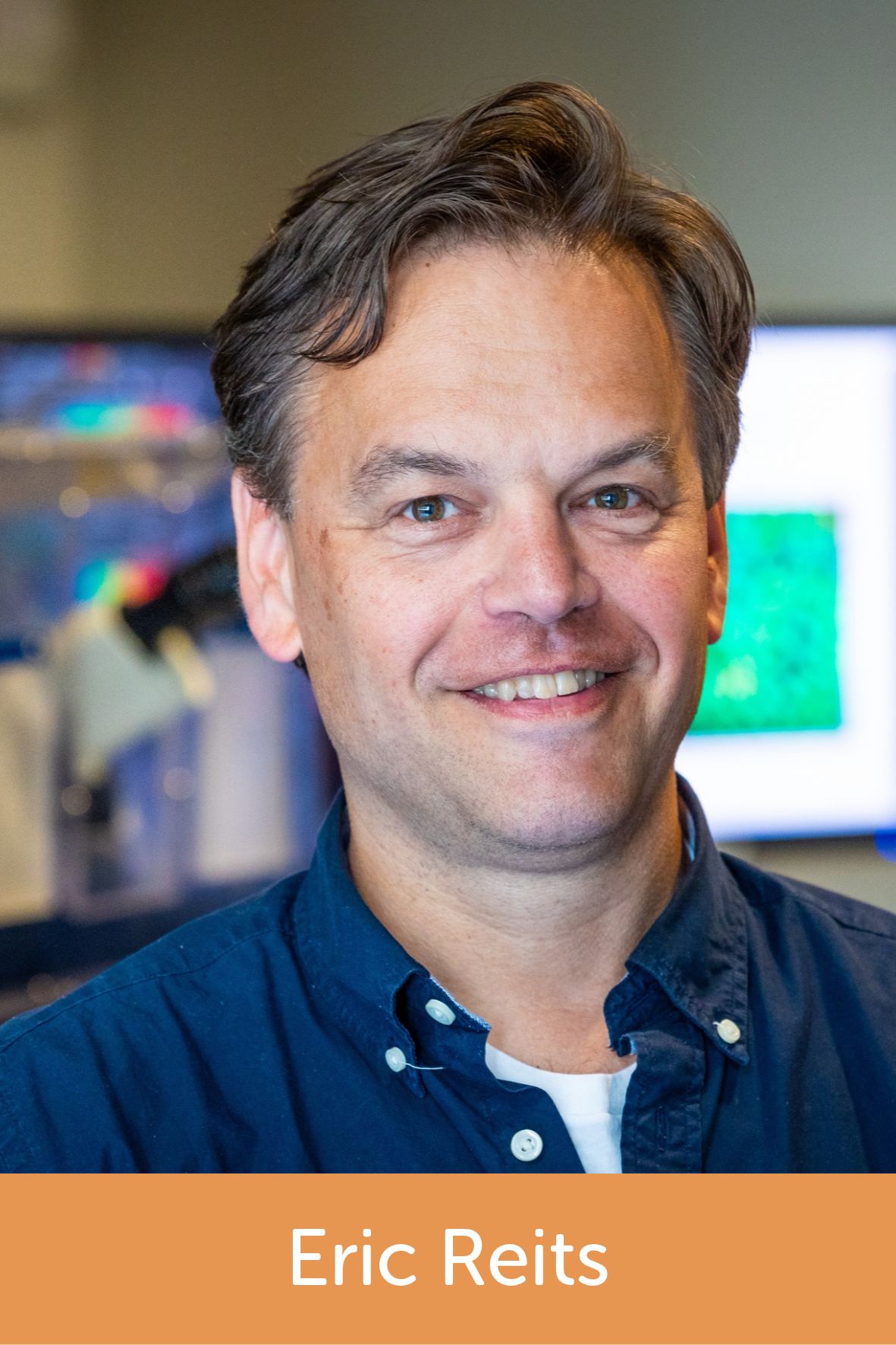
| 15:00 - 16:00 | Part 4 | Reparing the brain Latest advances in Huntington's disease research, including the patient perspectives by Eric Reits |
| 16:00 - 16:30 | Afternoon coffee break |
| 16:30 - 16:45 | Part 5 | Valorization: Therapeutic approaches, what failed and what worked? |
| 16:45 - 17:00 | Poster award ceremony & closing |
| 17:00 - 18:30 | Drinks & networking |
Poster market
Master’s students, PhD candidates, junior researchers, and postdocs are invited to present a poster of their research project at the Annual Meeting. Researchers who wish to present a poster are required to indicate their interest by submitting an abstract through the designated registration form.
Please submit your abstract by November 15, 2026, as space for poster presentations is limited. Please note that submitting an expression of interest does not guarantee a poster presentation. The program leaders will review all submitted abstracts and select the researchers who will be invited to present a poster.
Based on this assessment, the program leaders will determine which participants are invited to present a poster on January 22, 2027.
You will be informed in the first week of December whether your abstract has been accepted and whether you can present a poster during the poster sessions.
Speakers
Cutting-edge insights into axon initial segments, neuronal excitability, and circuit dysfunction
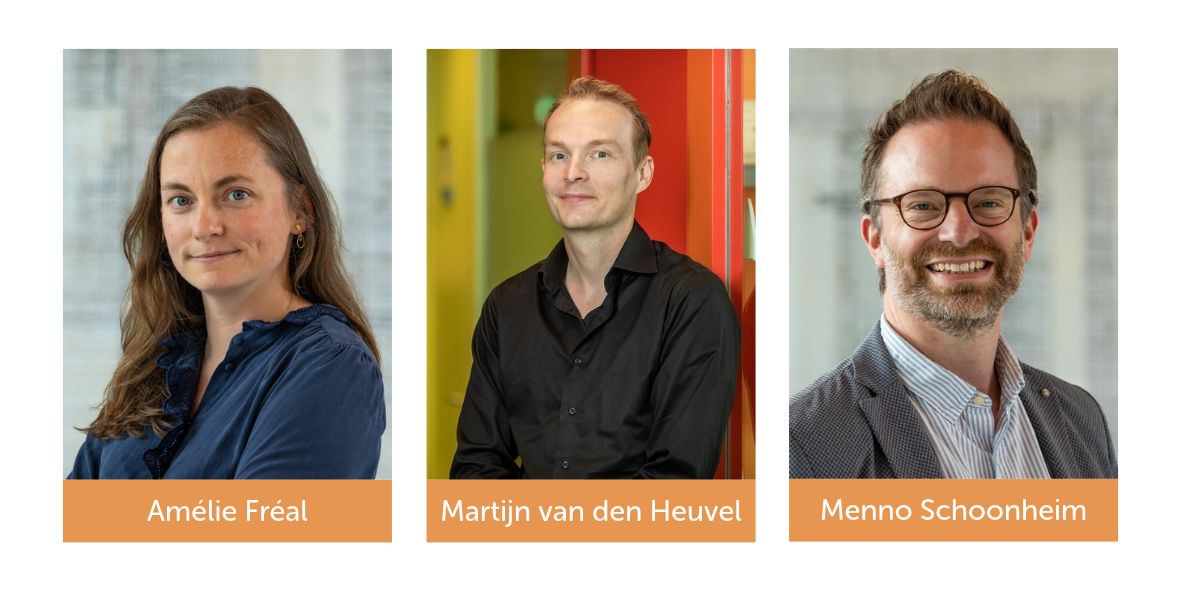
Dr. Amélie Fréal | Assistant professor & PI at Amsterdam UMC and researcher at the Cellular & Molecular Mechanisms
Her research focuses on cell and systems neuroscience, exploring how the axon initial segment is built, maintained, and remodeled, and how these processes influence neuronal polarity, cargo sorting, and excitability.
Prof. dr. Martijn van den Heuvel | Full professor at VU Amsterdam faculty of science and affiliated with Cellular & Molecular Mechanisms and Complex Trait Genetics
Martijn van den Heuvel is a passionate neuroscientist working in the field of ‘connectomics’. With a background in neuroimaging and Artificial Intelligence, he aims to bridge disciplines such as psychology, AI, biology, and cognitive neuroscience. His research goal is to figure out the ‘principles of human brain wiring’ and how they play a central role in the spectrum of brain function and disease dysfunction.
Dr. Menno Schoonheim | Associate professor, Anatomy and Neuroscience at Amsterdam UMC and program leader of Brain Imaging research program
He mainly specializes in network neuroscience in multiple sclerosis using advanced imaging methods. His research focuses on understanding clinical progression in multiple sclerosis by studying how changes in structural and functional brain networks contribute to symptoms, neurodegeneration, and future decline. He also aims to translate these insights into clinically useful imaging markers, while applying similar network-based approaches to Parkinson’s disease and psychiatric conditions related to stress and childhood trauma.
A deep dive into the blood-brain barrier and its implications fo therapeutic development
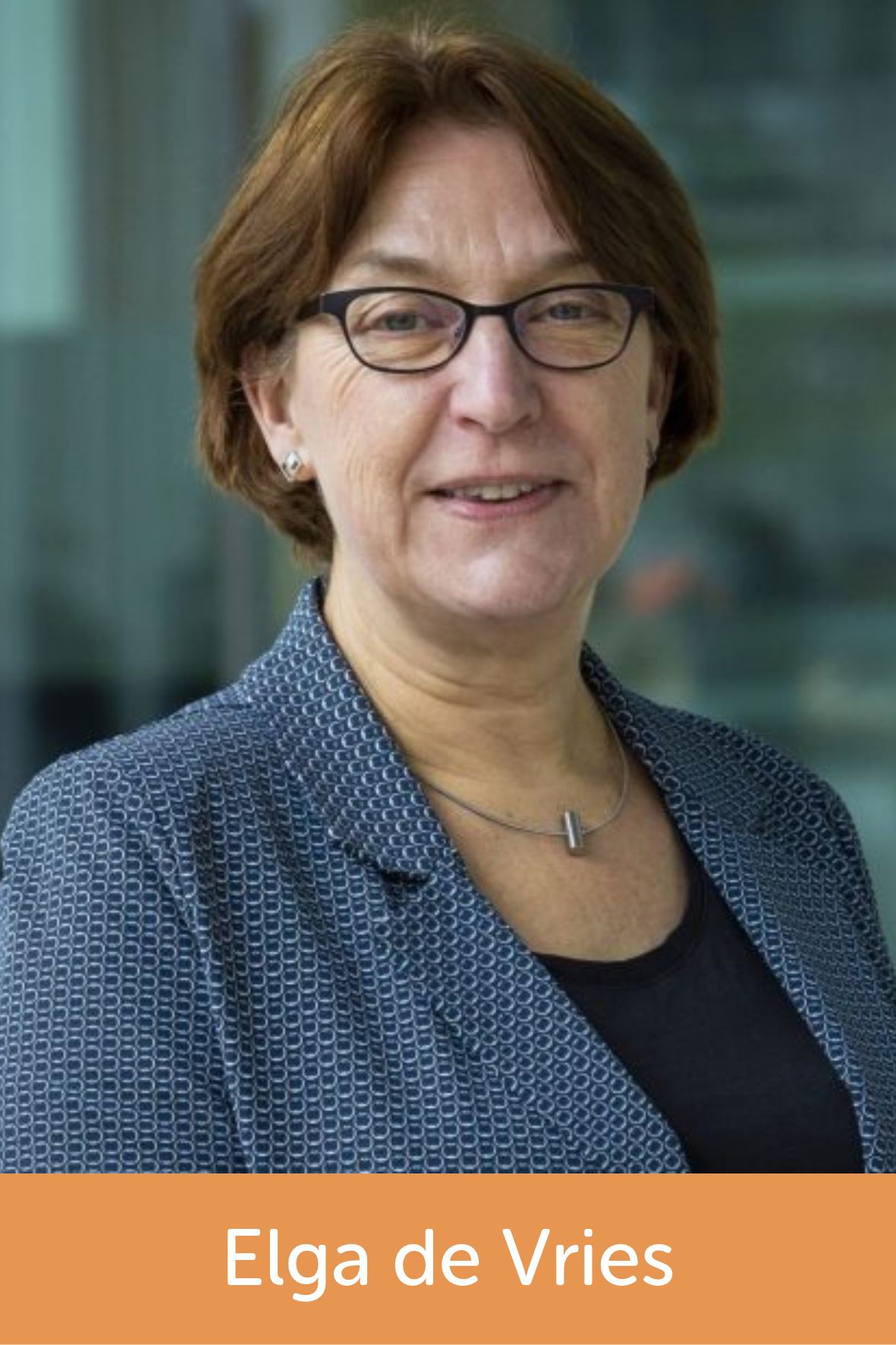
Research updates by Young Amsterdam Neuroscience
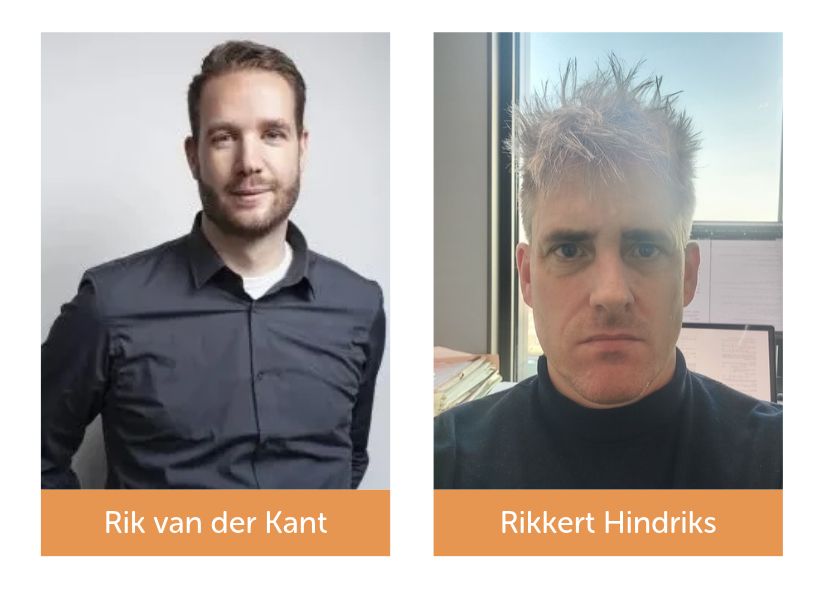
Dr. Rik van der Kant | Assistant professor with joint position at the Amsterdam UMC Alzheimer Center and the CNCR at the VU Amsterdam
undertook his Bachelor's & Master degrees at the Radboud Univeristy in Nijmegen. He then obtained his PhD degree in cell biology at the Netherlands Cancer Institute in Amsterdam under the supervision of Jacques Neefjes. After graduating in 2013, he moved to San Diego for postdoctoral training in the lab of Larry Goldstein (UCSD) to work with iPSC-models of Alzheimer's disease.
Dr. Rikkert Hindriks | Assistant professor in the Department of Mathematics at Vrije Universiteit Amsterdam.
His research focuses on the analysis and modeling of hemodynamic, electrophysiological (local field potentials, electrocorticography, and scalp EEG), and magnetoencephalographic signals. He is particularly interested in statistical dependencies in high-dimensional time series and spatiotemporal dynamics. Within the doctoral network Beyond The Edge, he currently investigates higher-order statistical dependencies in multivariate electrophysiological signals using methods from multivariate statistics, information theory, algebra, and geometry.
Repairing the brain
Valorization: Therapeutic approaches, what failed and what worked?
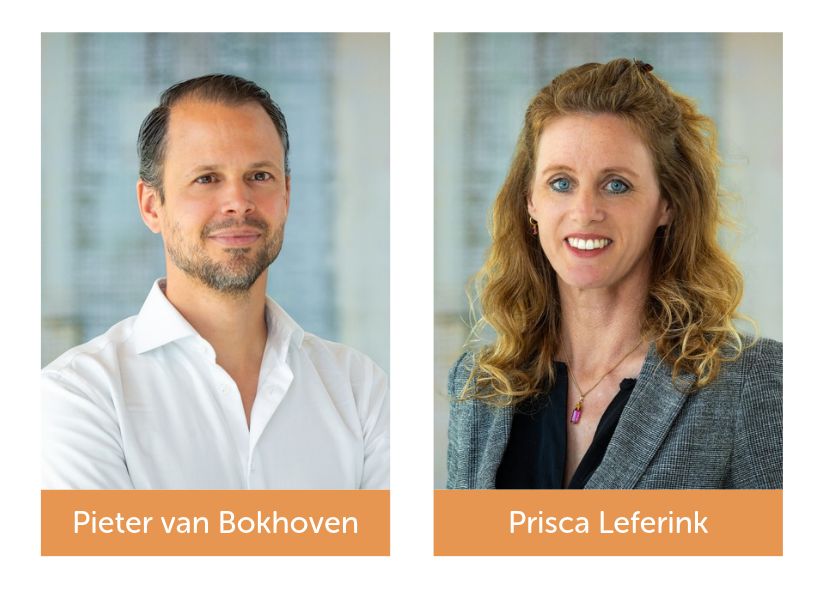
Dr. Pieter van Bokhoven | Directors of business development at IXA-Amsterdam Neuroscience
Pieter van Bokhoven is employed as director of business development at IXA-Amsterdam Neuroscience since 2015, where he establishes partnerships for collaborative research with pharmaceutical and biotech industry. Pieter did his PhD in molecular neuroscience, and currently is responsible for drug development efforts for Alzheimer and other dementias and clinical trials.
Dr. Prisca Leferink | Business developer at IXA-Amsterdam Neuroscience
Prisca Leferink is employed at IXA-Amsterdam Neuroscience since 2018, where she establishes partnerships for collaborative research with the pharmaceutical and biotech industry. She did her PhD in preclinical/ translational VWM research, and currently runs preclinical projects and clinical leukodystrophy projects.
Registration
This event is exclusively for researchers affiliated with Amsterdam Neuroscience or Neuroscience Master students from Vrije Universiteit Amsterdam and University of Amsterdam.