

Diet quality is not enough
The study followed 53 middle-aged adults with metabolic risk factors over 16 weeks. During the first eight weeks, one group received a fully provided Mediterranean diet while the other continued their habitual western diet, with caloric intake adjusted to keep body weight stable. Despite the clear difference in diet, the key inflammatory marker C-reactive protein did not change. Cholesterol did improve: triglycerides fell by 22% and LDL cholesterol by 7% compared to the control group. "This study shows that weight loss, more than diet quality, is what lowers the inflammatory markers that are strongly associated with cardiovascular disease," says Moritz Warmbrunn, researcher at Amsterdam UMC (Amsterdam Cardiovascular Sciences). Only when participants began fasting two days per week and lost weight did inflammation decline, by roughly a quarter, alongside improvements in blood pressure and insulin sensitivity. Participants on the Mediterranean diet lost 3.6 kg, almost twice as much as the control group (1.9 kg).
More food, less weight
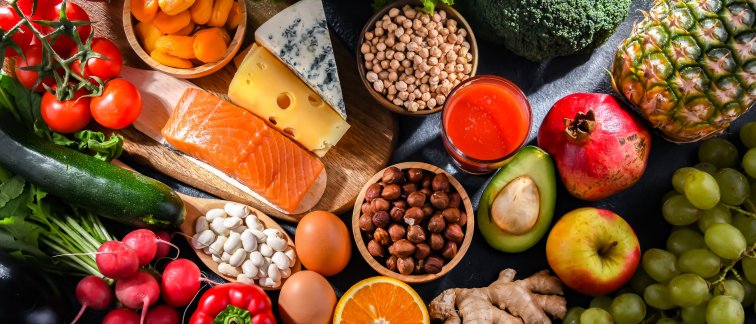
A remarkable detail: to keep weight stable, participants on the Mediterranean diet were offered some 300 kcal more per day than the control group, yet they still lost a little weight. The likely explanation lies in the composition of the diet: with 38 to 44 grams of fiber per day, 2.3 to 2.6 times the intake of the average adult in the United States, the diet increased satiety. "I find that fascinating: with a Mediterranean diet you can eat more calories and still lose weight," says Warmbrunn. "That is a strong argument for a diet rich in fresh vegetables and fruit for people with the metabolic syndrome, which already have an increased risk of cardiovascular diseases." Multi-omic analyses showed that the decline in inflammation coincided with a dampening of immune signaling in the colonic mucosa, while the composition of the gut microbiome remained largely stable.
New avenues for treatment
The study shows that weight loss is the cornerstone of reducing cardiovascular risk through diet. Because the fasting phase coincided with both weight loss and longer exposure to the Mediterranean diet, the researchers cannot fully rule out that fasting itself contributed to the reduction in inflammation. How to achieve sustainable weight loss is therefore the next question. "The next step is to find out how to best integrate sustainable weight loss and lower the risk of cardiovascular disease, for example by combining the diet with a lifestyle intervention or a weight-loss medication," says Warmbrunn. "We want to study this further." By separating the effects of diet quality from those of energy balance, the study marks an important step towards more targeted strategies to prevent and treat cardiometabolic disease.
The findings were published in Cell Metabolism. Warmbrunn was supported by the Atheros Foundation and the KNAW Ter Meulen Fund, the Bakewell Foundation, the National Health and Medical Research Council of Australia, and the Australian Youth and Health Foundation.