
Check out the full program and speakers below.
Theme
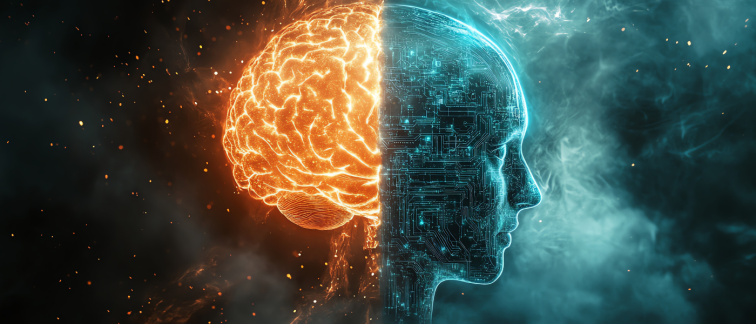
The theme of the Annual Meeting 2026 is: The Future of Cognitive Neuroscience – Technology and the Human Brain
With technology on the rise and the wonders of the human brain being studied in more depth, it is fascinating to consider how our knowledge of cognition is evolving over time. What is human cognition? How can we study human intelligence? And in which ways is technology able to mimic, or perhaps even extend, the functions of the human brain?
Together, we will explore the evolution of the brain and its core functions, and discuss how emerging technologies are already shaping or enhancing cognitive features in health and disease. Regarding the latter, we will highlight how technology is finding its way into neuroscience in clinical practice, for example, as a tool for treating individual patients.
Program
- 08:30 - 09:00 Registration
09:00 - 09:30 Word of welcome
- Amsterdam Neuroscience directors Guus Smit, Yolande Pijnenburg and Marten Smidt
09:30 - 10:45 What is human cognition?
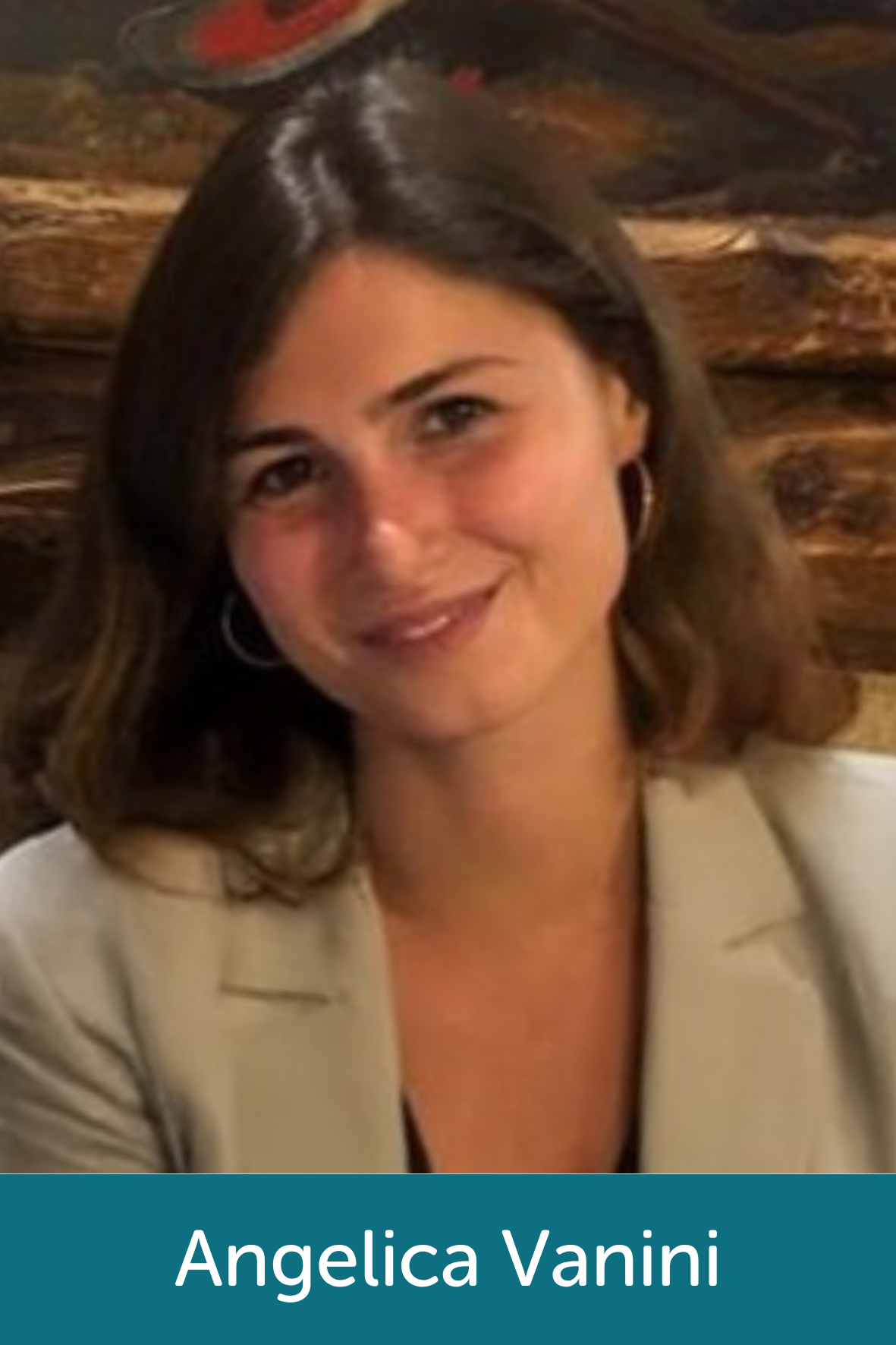
- Angelica Vanini (Amsterdam UMC) - Genes and cognition: Evolutionary genetics of human cognition
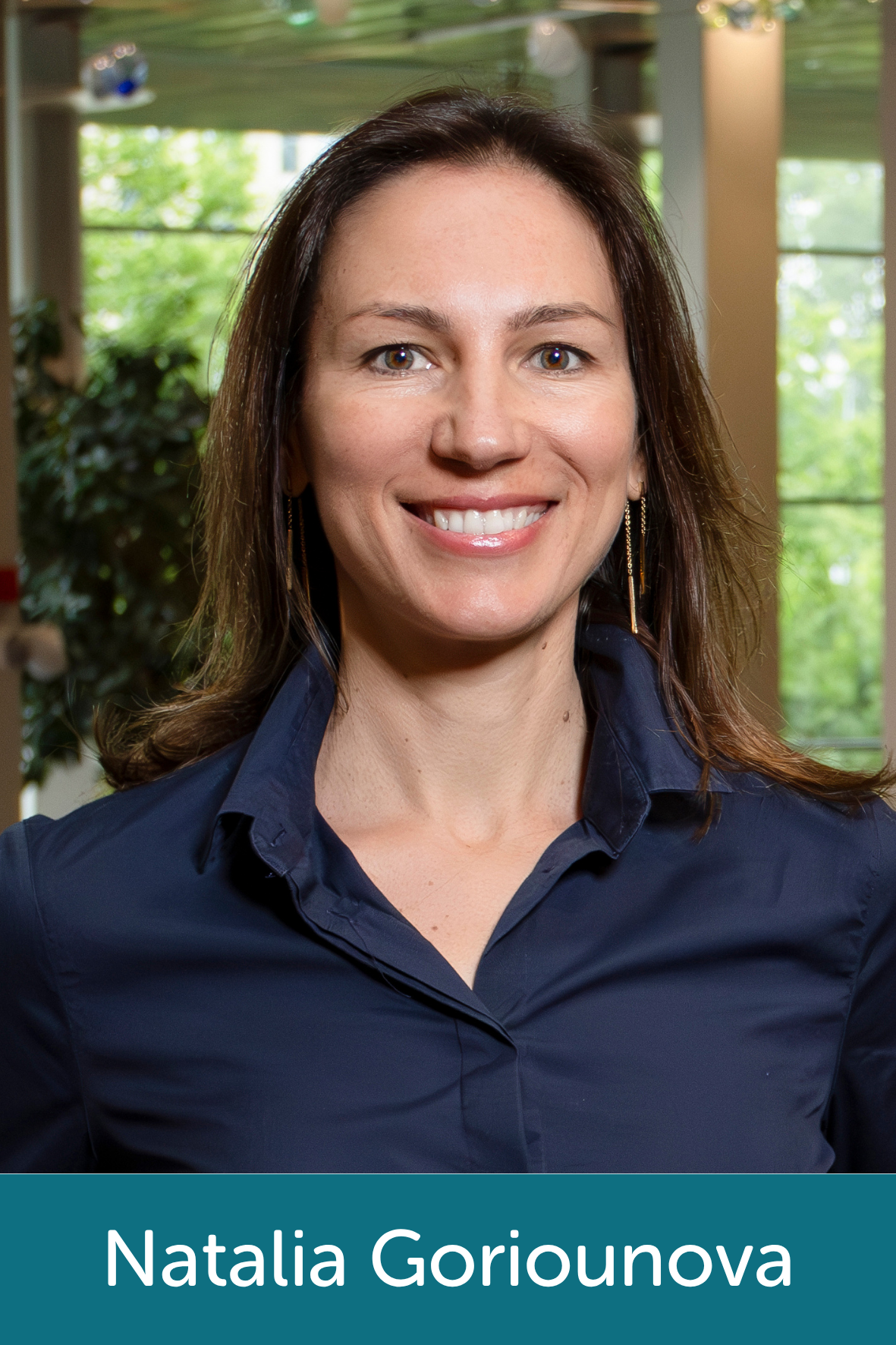
- Natalia Goriounova (Vrije Universiteit) - Cells and cognition: What can our neurons tell us about our intelligence?
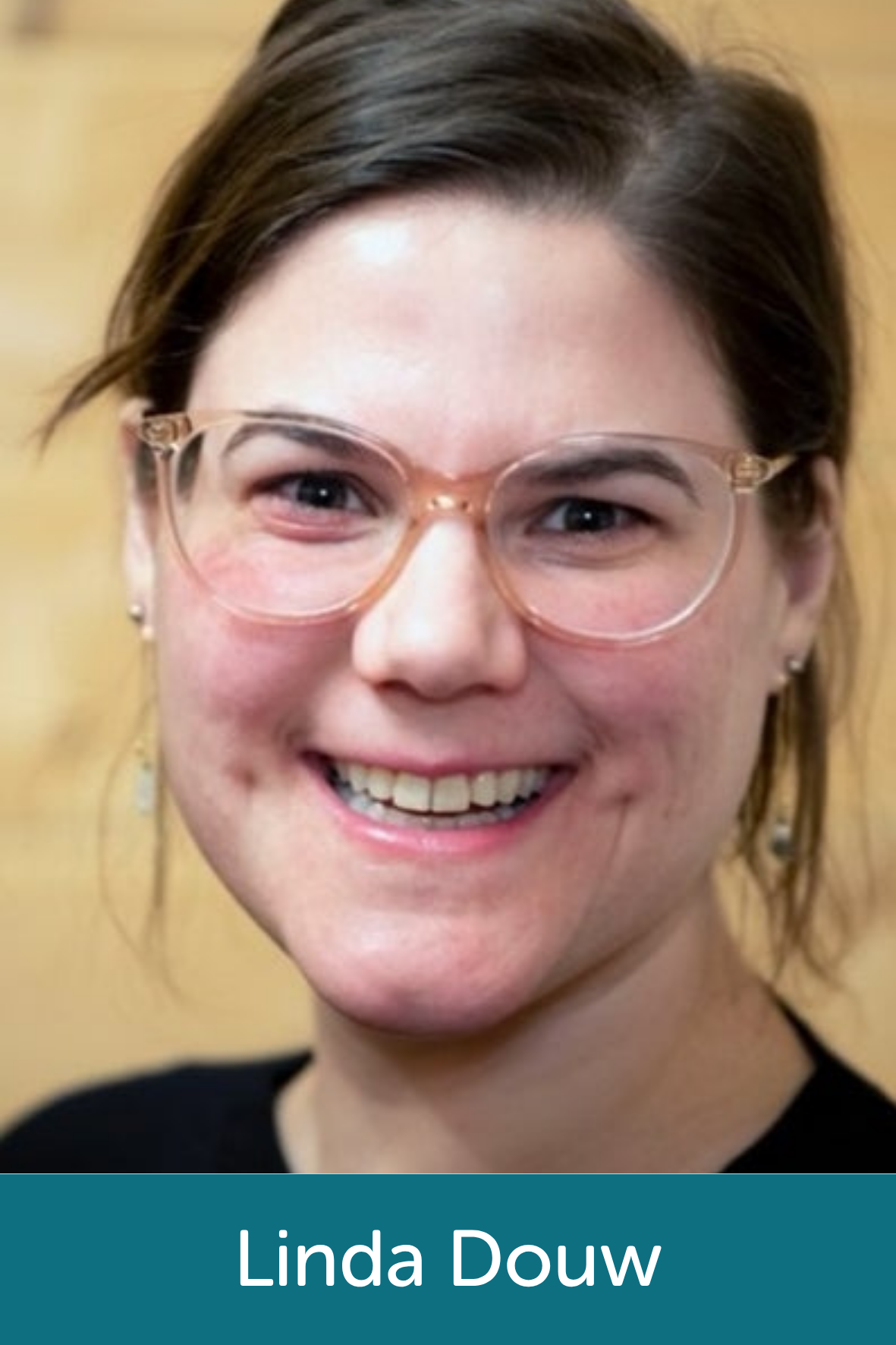
- Linda Douw (Amsterdam UMC) – Networks and cognition: Rethinking cognitive deficits through the lens of multiscale network neuroscience
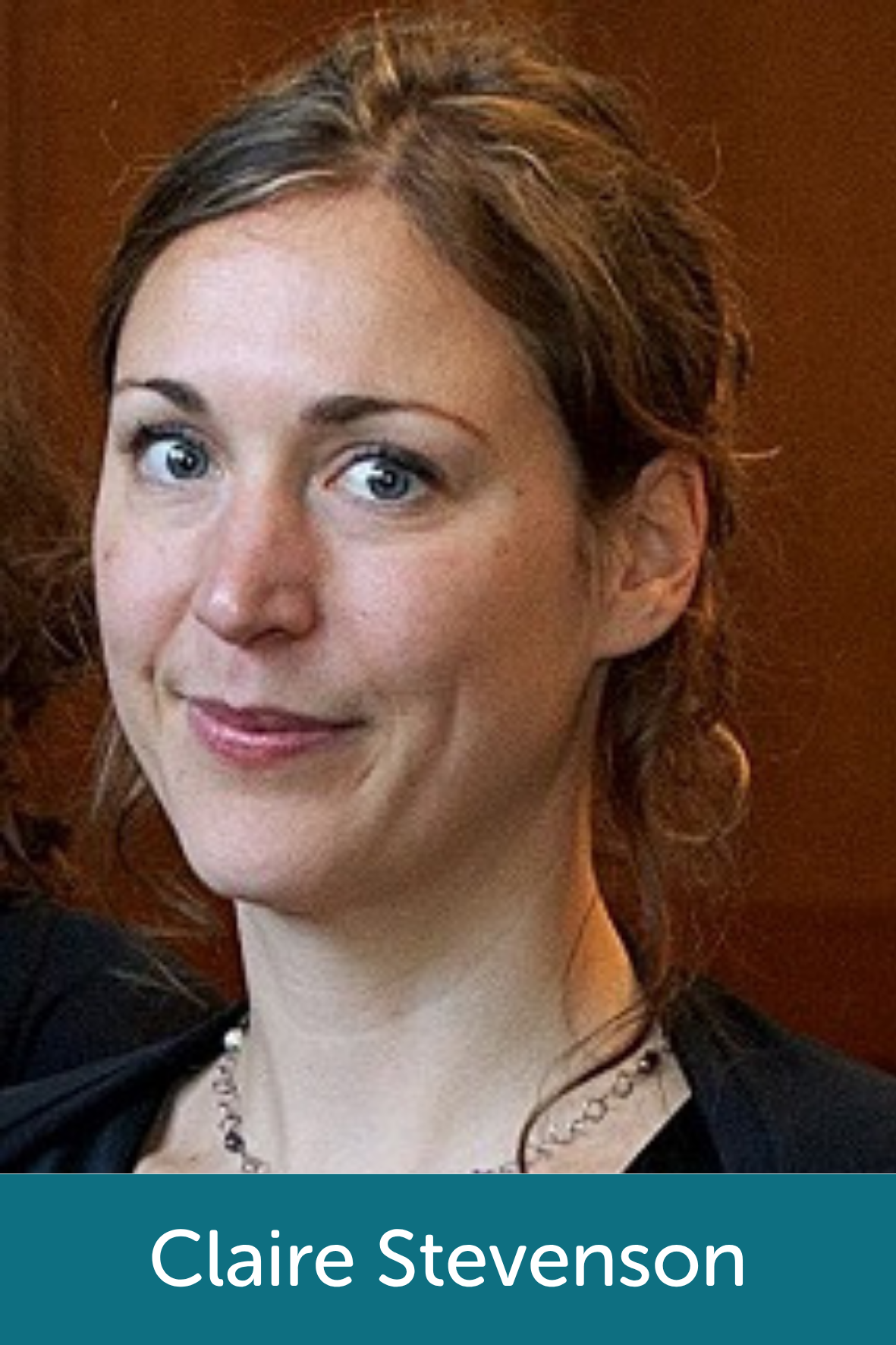
- Claire Stevenson (University of Amsterdam) AI and cognition: The future of AI for studying human cognition and its development
- 10:45 - 11:15 Coffee break
11:15 - 12:15 Research reports by Young Amsterdam Neuroscientists
- Laura Han (Amsterdam UMC) - Understanding biological aging: the key towards healthier and happier lives
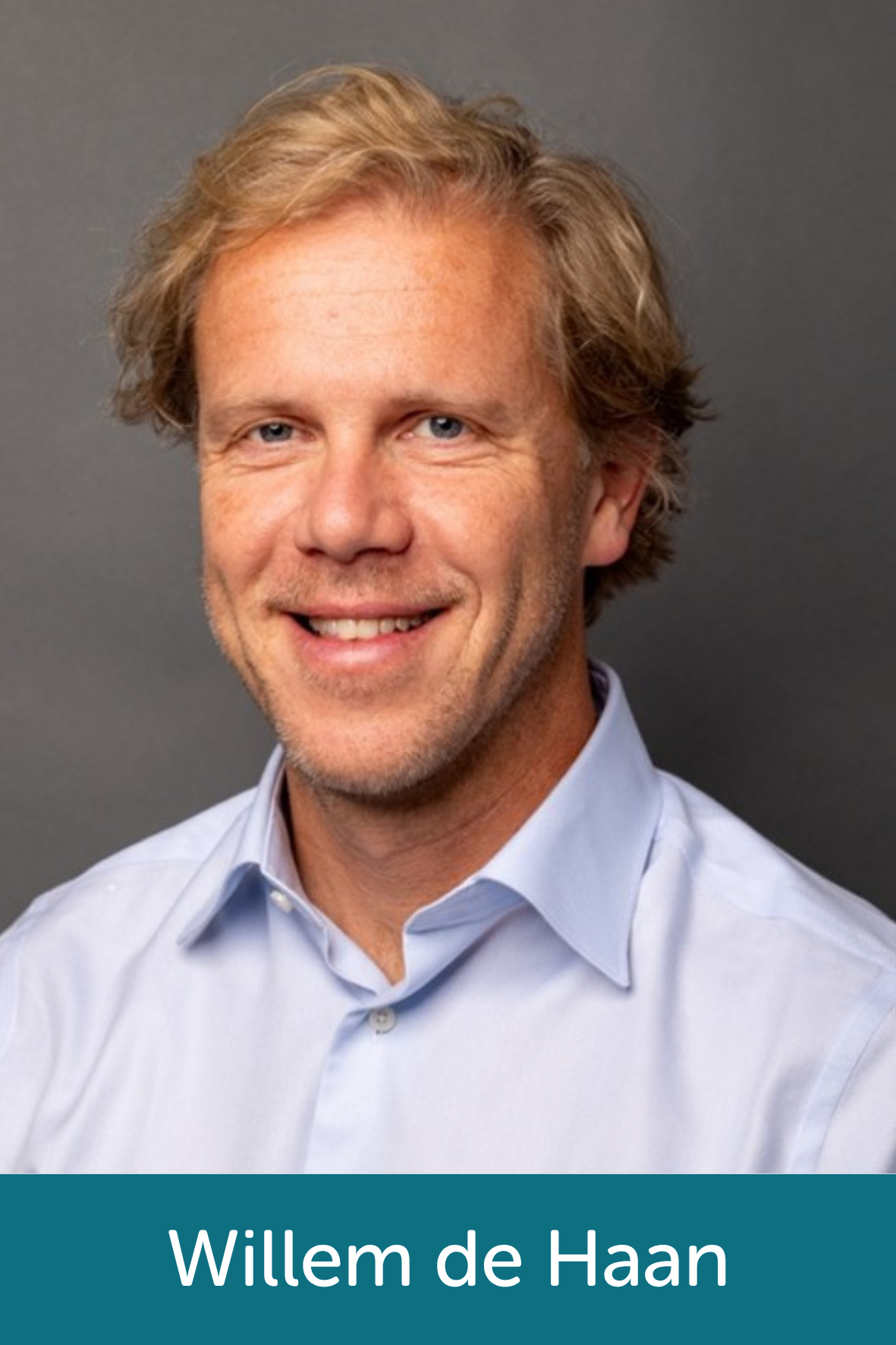
- Willem de Haan (Amsterdam UMC) - In Silico Neurodegeneration: testbench of the future?
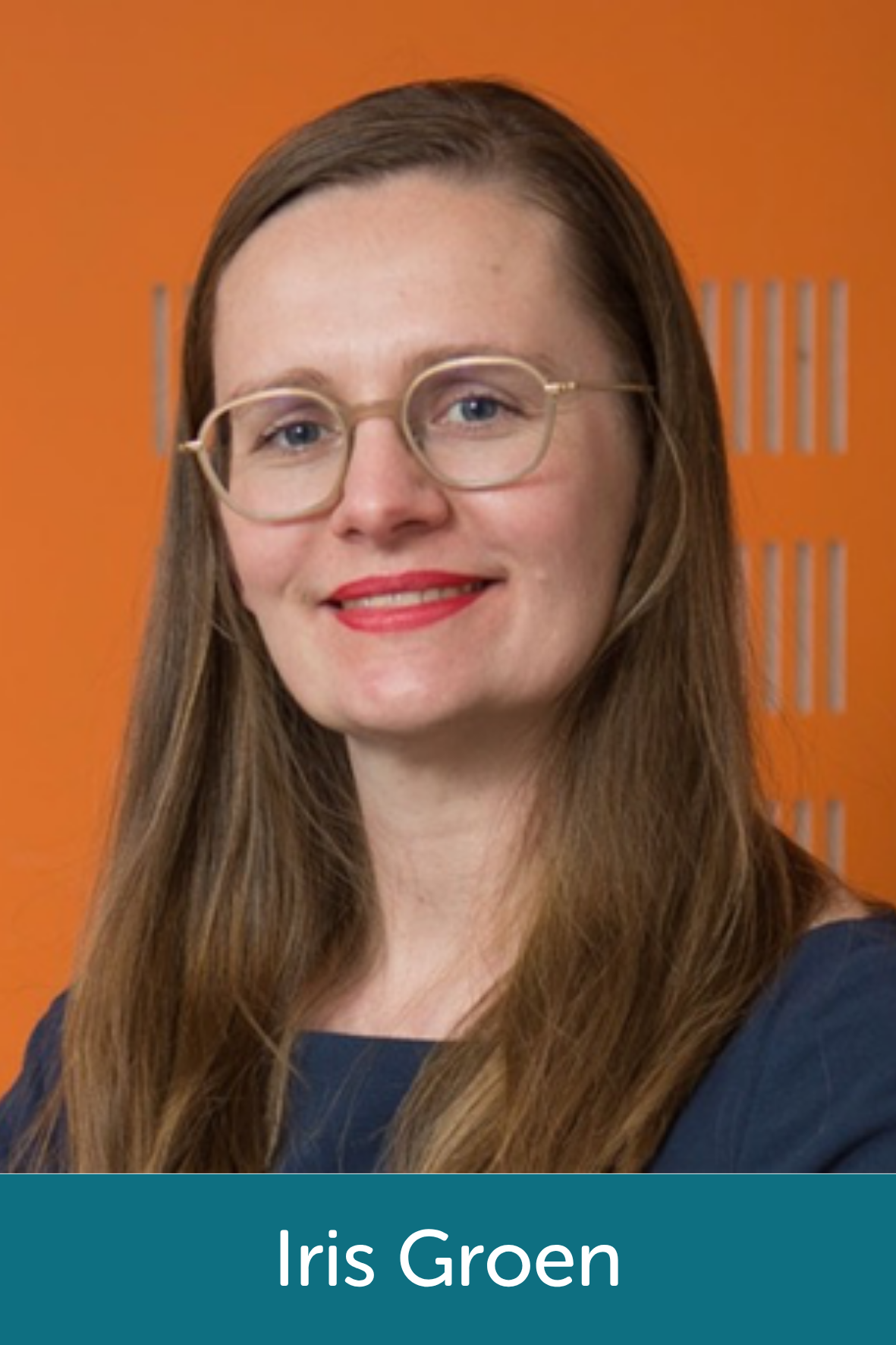
- Iris Groen (University of Amsterdam) - The brain in time: Temporal integration of neural responses in human visual cortex and deep neural networks
- 12:15 - 12:25 ONWAR Graduate School for neuroscience
12:25 - 12:45 Valorization in neuroscience: From knowledge to impact
- Wouter Potters (Trianect) - EEG controlled triage in the ambulance
- 12:45 - 15:00 Lunch and poster market
15:00 - 16:30 Non-invasive brain stimulation in psychiatry and neurology
- Odile van den Heuvel and team (Amsterdam UMC, Psychiatry Amsterdam): Tjardo Postma, Sophie Fitzsimmons, Coen Coomans, Hidde Woerdman, Eric van Exel, Tim van Balkom and Sander Verfaillie
- 16:30 - 17:15 Poster presentations and award ceremony
- 17:15 - 17:30 Closing remarks and vote of thanks
- 17:30 - 19:00 Drinks and networking
Poster market
Master’s students, PhD candidates, junior researchers, and postdocs have been selected to present a poster of their research project at the Annual Meeting. Posters are spread across three different areas within the RAI venue. Three research programs ((1) Compulsivity, Impulsivity & Attention, (2) Mood, Anxiety, Psychosis, Stress & Sleep and (3) Complex Trait Genetics) at the Forum Lounge (ground floor). Three research programs ((4) Neurodegeneration, (5) Neuroinfection- & inflammation and (6) Neurovascular Disorders) at the Ruby Lounge (first floor), and three research programs ((7) Brain Imaging, (8) Systems & Network Neuroscience and (9) Cellular & Molecular Mechanisms) at the E102 room (first floor).
Speakers
What is human cognition?
Angelica Vanini - PhD student, University of Amsterdam
Genes and cognition - Evolutionary genetics of human cognition
How did the human brain evolve its remarkable cognitive abilities? This talk examines the genomic innovations that distinguish our species, from the emergence of human-specific genes to modifications in regulatory networks. Based on insights from comparative genomics and evolutionary biology, we explore how these genomic changes contributed to the development of the human cortex and the origins of human-specialized cognitive traits.
Natalia Goriounova - Associate Professor, Center for Neurogenomics and Cognitive Research, Vrije Universiteit Amsterdam
Cells and cognition: What can our neurons tell us about our intelligence?
Humans have unique cognitive abilities, expressed through language, arts and science that clearly are unparalleled in the animal kingdom. The fascinating question is what explains this large gap in cognition between humans and other species. In my talk I will argue that the answer to this question lies in the function of our neurons. As human cortex expanded during evolution, neurons inevitably had to adapt to this bigger, more connected and slower brain and might have evolved features that help them process information faster and more efficiently. Because of difficult access to living human neurons, their function in supporting cognition remains largely unexplored. Goriounova will show how the use of neurosurgical resections from epilepsy and tumor surgeries can help us advance our understanding of cellular basis of cognition.
Linda Douw - Associate Professor, Anatomy & Neuroscience, Amsterdam UMC
Networks and cognition: Rethinking cognitive deficits through the lens of multiscale network neuroscience
Despite the long-standing dominance of localizationist thinking in neuropsychology, cognitive deficits in patients with focal brain lesions such as tumors often defy clear anatomical explanations. In this talk, Linda Douw will argue that cognition cannot be fully understood in terms of isolated regions,but rather emerges from interactions across multiple spatial and temporal scales. Drawing on insights from multiscale network neuroscience, she will illustrate how disruptions in cellular communication can cascade into large-scale network dysfunctions that shape cognitive outcomes and daily functioning. She will show how embracing a network perspective moves us beyond the notion of “where” cognition resides toward understanding “how” it arises from dynamic system-level interactions. This shift not only reframes classical neuropsychological models but also opens new translational paths for personalized treatment and rehabilitation.
Claire Stevenson - Assistant Professor, Psychological Methods, University of Amsterdam
AI and cognition: The future of AI for studying human cognition and its development
How can advances in artificial intelligence deepen our understanding of human intelligence and its development—and vice versa? In this talk, I will explore the reciprocal relationship between AI and human cognition through the lens of fluid reasoning. I first outline how fluid reasoning develops in humans and what this reveals about how AI-models solve such tasks. I then turn to the reverse direction: how training and analyzing AI models on such tasks, using mechanistic interpretability and representational analyses, provides new perspectives on human cognitive development and the alignment of human and artificial neurocognition. I conclude by considering the future of this interdisciplinary dialogue: how AI-models may -or may not- serve as both models and methodological tools for studying human intelligence and its development.
Research Reports by Young Amsterdam Neuroscientists
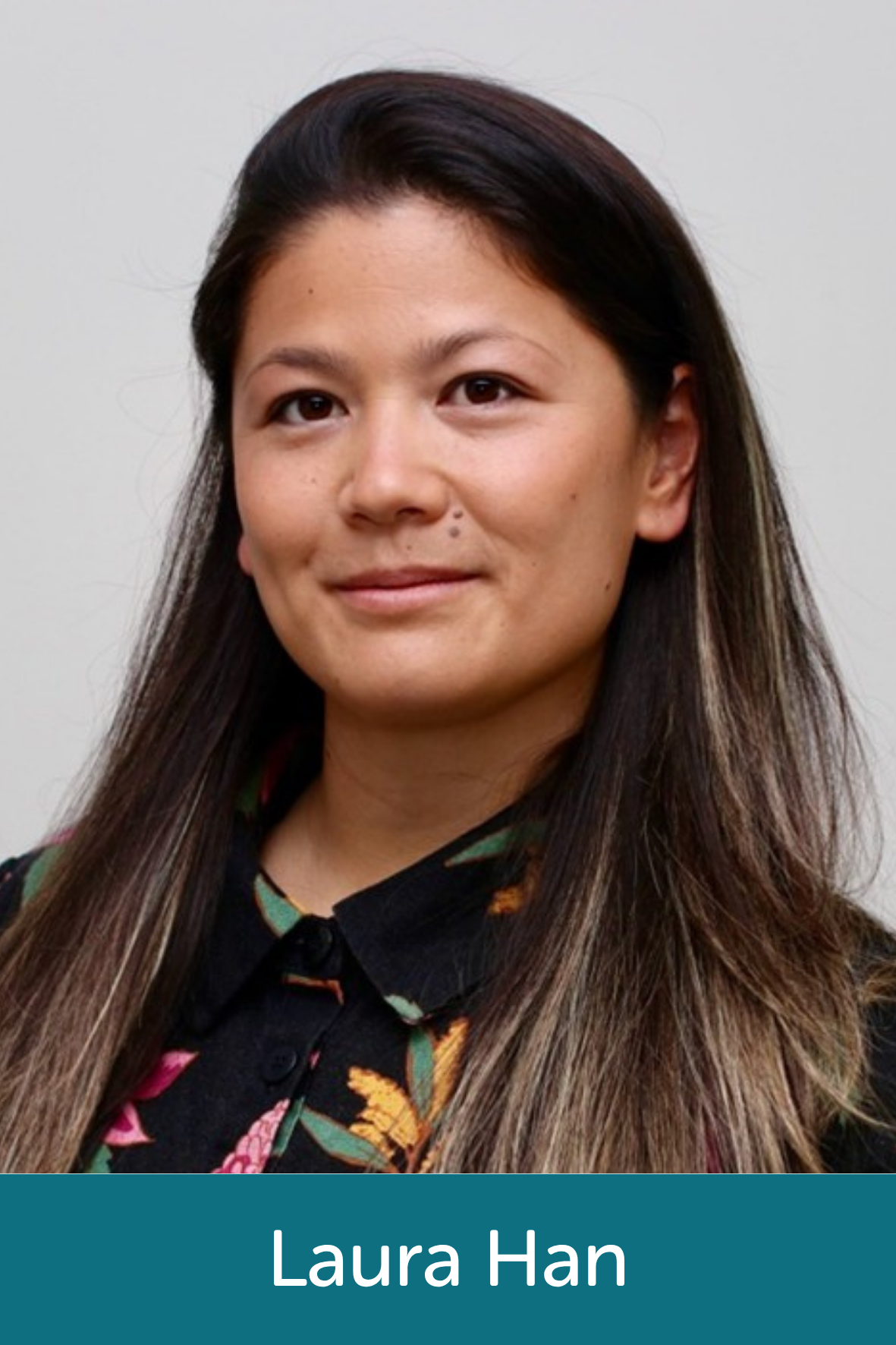
Laura Han - Assistant Professor, Psychiatry, Amsterdam UMC
Understanding biological aging: the key towards healthier and happier lives
Our society faces two converging challenges: rising rates of depression and anxiety, and an increasingly aging population. Together, they underscore the urgent need to better protect both mental and physical health, in pursuit of a cognitively healthy society. Yet despite growing demand for care, current treatments remain costly and often insufficient, largely because they are not tailored to individual biology. If we can understand the mechanisms and prognostic value of biological aging in stress-related disorders, we have the potential to shift this landscape. In this talk, I will highlight how emerging technologies, including neuroimaging-derived brain age models, epigenetic clocks, and machine-learning methods, help reshape our understanding of the complex links between mental health, brain health, and cognition. Importantly, this work opens opportunities for improving patient outcomes: from predicting risk and personalizing treatment strategies to informing the development of lifestyle and technology-based interventions that may potentially slow or even reverse abnormal aging processes. Biological aging models therefore represent a promising frontier for building a healthier and happier future.
Willem de Haan - Neurologist and Senior researcher, Alzheimer Center Amsterdam, Amsterdam UMC
In Silico Neurodegeneration: testbench of the future?
Understanding complex dynamic systems calls for tools that can keep up with their richness. The brain is a prime example: its ever-shifting dynamics shape how we think, learn, and even how the brain’s structure evolves. Dynamics in the brain aren’t just a substrate — they’re the vocabulary of cognition. For neurodegenerative cognitive disorders, we can’t neglect the role that dynamics can play in diagnosis, prognosis, and treatment. In this talk, I’ll explore how computational models of brain dynamics open new windows onto the link between brain damage, dysfunctional network activity, and cognitive impairment. These models don’t just simulate; they allow us to probe, predict, and rethink what we know about the injured brain.
Iris Groen - Assistant Professor, Informatics Institute, University of Amsterdam
The brain in time: Temporal integration of neural responses in human visual cortex and deep neural networks.
Human visual perception unfolds in a dynamic world, yet most perception research relies on static inputs that lack temporal context, which shapes both cognitive processing and neural dynamics. In this talk, I will present findings from intracranial EEG (iEEG) where we quantified and modelled the temporal dynamics of neural responses across the visual cortex at millisecond resolution. Our work shows that many temporal aspects of neural dynamics are accurately captured by simple, canonical computations that integrate temporal context through history-dependent response normalization. Furthermore, implementing this type of temporal normalization into deep convolutional neural networks allows them to recapitulate human perceptual adaptation and scalp EEG effects observed during dynamic object recognition. Together, these results demonstrate that incorporating temporal integration into computational models of vision is essential to achieve a more comprehensive account of the neural processes underlying dynamic visual perception in humans.
Valorization in neuroscience
Wouter Potters - MedTech entrepreneur, TrianecT
From knowledge to impact: EEG controlled triage in the ambulance
Large vessel occlusion (LVO) strokes account for approximately 1 in 5 ischemic strokes, yet up to 50% of patients are initially transported to a hospital without endovascular treatment options, delaying effective treatment. Currently, prehospital identification of LVO in the ambulance is not possible. This presentation introduces, from science to product, how EEG-based triage in the ambulance can support early detection and transport patients to endovascular treatment-capable stroke centers directly. Faster accurate triage can reduce treatment delays, and improve outcome, because time is brain.
Non-invasive brain stimulation in psychiatry and neurology
Odile van den Heuvel - Professor in Neuropsychiatry, Amsterdam UMC
Non-invasive brain stimulation, e.g. by repetitive transcranial magnetic stimulation (rTMS), is increasingly influencing the treatment landscape in psychiatry and neurology. In this session we focus on the use of rTMS as adjuvant therapy to boost the effects of exposure therapy in obsessive-compulsive disorder (OCD). This will be illustrated by the personal experience of two persons who participated in the combined rTMS-exposure therapy. Odile van den Heuvel and her team members from Psychiatry Amsterdam will discuss the factors influencing the individual variation in rTMS-induced effects, and how we can use individual brain information to personalize the application of rTMS. To give an impression of the broader use of rTMS in Amsterdam AMC, we present ongoing trials in depression, Parkinson’s disease and long COVID.
Registration
This event is exclusively for researchers affiliated with Amsterdam Neuroscience or Neuroscience Master students from Vrije Universiteit Amsterdam and University of Amsterdam. Registration has been closed!