

A devastating disease with no effective therapy
Vanishing white matter disease (VWM) is a rare inherited neurodegenerative disorder that usually begins between 1 and 6 years of age. Children with VWM progressively lose motor and cognitive abilities, develop severe disabilities, and often die at a young age. The disease is estimated to affect approximately 1 in 100,000 children worldwide. The disease is caused by a genetic defect affecting eukaryotic initiation factor 2B, a key regulator of the integrated stress response.
For many years, researchers at the Amsterdam Leukodystrophy Center, at the department of Pediatric Neurology at Amsterdam UMC, have investigated the genetic and molecular basis of VWM. Under the leadership of Prof. Van der Knaap and Prof. Nicole Wolf, this work has led to the identification of underlying genetic mutations and the start of both preclinical and clinical studies to generate an increased understanding of the disease.
The first clinical trial targeting the disease mechanism
The phase 1/2 trial was conducted between 2021 and 2025 with support of international patient recruitment. In total, 33 ambulatory children with VWM received guanabenz, a repurposed antihypertensive drug that inhibits the integrated stress response believed to drive VWM pathology. Guanabenz is no longer marketed for hypertension because newer blood-pressure medications are available. Amsterdam UMC therefore arranged for the drug to be specially manufactured for children participating in the VWM study. Outcomes in the treated children were compared with those of 66 matched historical controls. The treatment was found to be safe and, after an initial period of side effects, generally well tolerated.
Significant clinical benefits
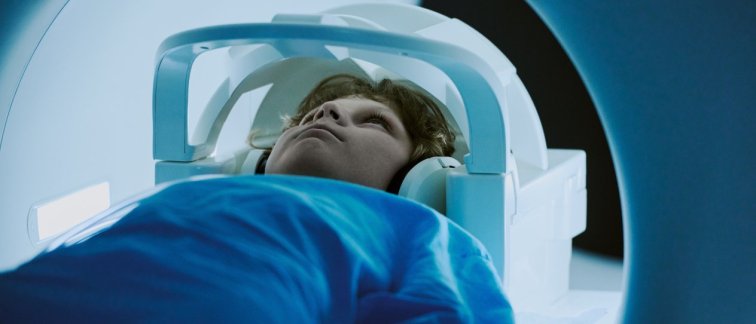
Compared with untreated controls, children receiving guanabenz had a significantly lower risk of losing the ability to walk with support. The difference in disability between treated and untreated children increased over four years. Notably, none of the treated children died during the study, whereas deaths occurred in the historical control group. Furthermore, MRI scans showed that treated children experienced less white matter deterioration, and in some cases no detectable progression, compared with untreated children. The positive effect of the medication was greatest in children whose disease began at age 3 or later, compared to children whose disease began before age 3.
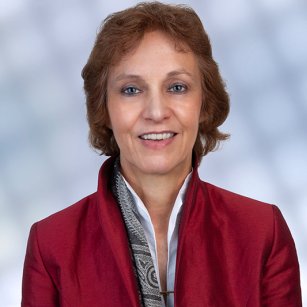
“This is the first time it has been shown that this fatal childhood brain disease can be ameliorated. That is a major and hopeful step for these children and their families.”
What do these findings mean?
This study is the first to demonstrate a meaningful treatment to alter the course of VWM and suggests that patients with later-onset disease may benefit from therapy if treatment is started early. However, the researchers emphasize that guanabenz is not a cure. The beneficial effect is expected to stop when treatment is stopped, and the study did not include a concurrent untreated control group; instead, treated children were compared with previously registered patients. “Nevertheless, this study marks an important turning point,” Van der Knaap says.
Next steps toward longer-term treatment
In a follow-up study, children will be monitored for a longer period, and the effects of higher doses of guanabenz will be investigated. At present, guanabenz is available only within a research setting because it has not yet been approved by the European Medicines Agency (EMA) for the treatment of VWM. While the follow-up study continues, Amsterdam UMC has begun the first steps toward obtaining EMA approval so that the treatment may eventually become available outside clinical research.
The study has been supported by funding from ZonMw, the Dutch Brain Foundation (de Nederlandse Hersenstichting), European Leukodystrophy Association, and the VWM Families Foundation.
Read the publication in the Lancet Neurology: Safety and efficacy of guanabenz in early-childhood onset vanishing white matter: primary analysis of a single-arm, phase 1/2 trial
Or listen to the podcast with Prof. dr. Marjo van der Knaap on Vanishing White Matter.
Image: Shutterstock