
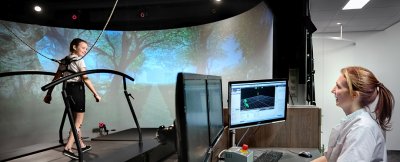
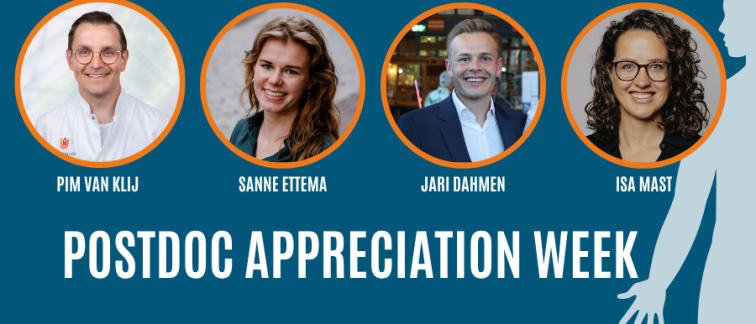
Amsterdam UMC, VU and AMS are participanting for the second time in the worldwide 'Postdoc appreciation week' (#PAW-NL), that will be celebrated on various campuses and university hospitals in the Netherlands and beyond from September 21 - 25, 2026.
In the Postdoc Apprecation week we are shining the light on four young AMS researchers. This is a group of hard working researchers who usually juggle a number of activities such as research, teaching, supervision, the clinic / lab work, often in combination with a busy private life. We contacted a few AMS PDs and asked them a few questions; you will find their answers below.
Perhaps you can use it for inspiration if you want to pursue a career in academia yourself, or just take note of what inspires them and how they deal with PD life challenges.
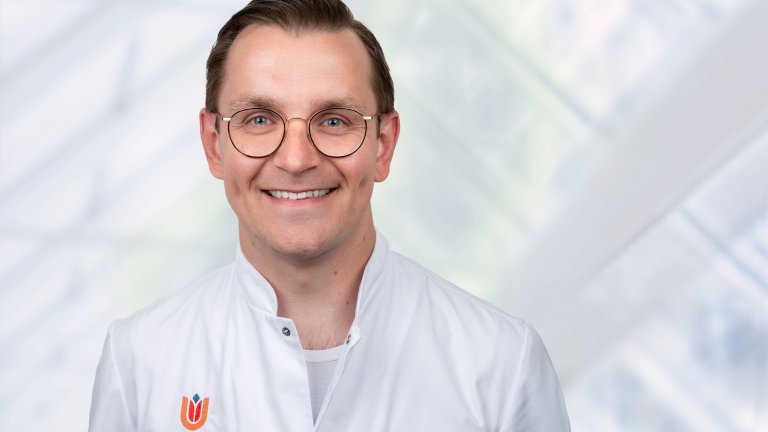
Pim van Klij PhD
Pim van Klij defended his thesis titled ‘The development of the non-perfect hip in young athletes’ at the Erasmus University in 2021, under the supervision of Prof. Dr. J.A.N. Verhaar en Dr. R. Agricola. He completed and defended his thesis during his full-time Sports Medicine Physician training. Since 2025 he has been working as a Sports Medicine Physician and Assistant Professor at the Department of Orthopedic Surgery and Sports Medicine at Amsterdam UMC, and as Club Doctor at AFC Ajax. His current research focuses primarily on female athlete health, with several projects more specifically addressing the hip and groin area. In 2025, he was awarded the €10.000 Amsterdam Movement Sciences (AMS) ‘Talent Call’ grant, followed by the €20.000 AMS ‘Sports Call’ grant in 2026. These grants support the development of a clinical and research framework aimed at advancing the health and performance of professional female athletes.
What motivated you to pursue a postdoc, and how did you choose your research group or institution?
Following the completion of my PhD, I increasingly realized the importance of a strong academic research environment for sustaining and expanding my work in musculoskeletal research. In 2025, it personally was a significant step to move from a peripheral hospital (Isala) to Amsterdam UMC. It turned out to be a totally new and very inspiring clinical and research environment. The move definitely triggered new motivation to set-up and work on more Sports Medicine related research projects. An other goal was to further integrate Sports Medicine in the clinical and research landscape of Amsterdam UMC. My current research focuses on female athlete health, with particular attention to hip and groin-related conditions. These are both research areas with huge knowledge gaps, which is well-recognized by AMS research institution. My clinical role as Club Doctor of AFC Ajax has provided a unique dual perspective, combining clinical practice in professional sports with academic research. This experience has strengthened my understanding of clinical sports-related clinical questions and how to integrate them in research questions with potential impact on patient care. I am very convinced that insights gained from professional athletes can serve as a powerful catalyst for broader scientific advances.
What have been the biggest challenges and learning moments during your postdoc so far, and how did you navigate them?
The biggest challenge for me was the transition from a peripheral hospital with relatively limited research infrastructure to a highly research-orientated and structured academic hospital. This shift created numerous opportunities for multidisciplinary collaboration and enabled me to further develop as a postdoc researcher. Combining clinical work with a postdoc position offers many opportunities, but also real life challenges in terms of prioritizing and time management. To support and sustain my research activities, I have focused strongly on establishing a solid research foundation and to work towards a sustainable financial funding for my projects. In musculoskeletal research, competitive research grants are limited and extremely challenging to obtain. Therefore, I strongly advocate for more funding structures that support not only PhD candidates and senior researchers, but also has focus on early career postdoc researchers. Building an independent research line is both time-consuming and demanding, making it one the most challenging phases of a research career. Greater attention and support from all stakeholders are therefore essential. Personally, in January 2026, I had the privilege to become a very proud father for the first time. While this has added another dimension to already existing challenges of balancing, it has also provided multiple invaluable perspectives and showed to be the best tool for relativization there is.
What advice would you give to PhD candidates who are considering a postdoc—especially in terms of career planning, networking, or work-life balance?
My advice would be to start planning for a potential postdoc career well before completing your PhD. Apply for Early Career Research (ECR) grants whenever possible, be proactive in discussing your career ambitions with your supervisors, and invest time in building a working relationship with other (senior) researchers both within and beyond your own institution. Securing a postdoc position can be challenging, as opportunities are often highly competitive. Do not lose yourself in that competition, stay who you are, and do not become discouraged by setbacks or rejections (that is also part of being in a competitive research environment). I also believe it is very important to develop yourself broad and beyond boundaries of a single research project. Be a supervisor, stay clinically active (if you are a clinician), join an inspiring committee (e.g. conference organisation, reviewer position etc.), or just find an other place to develop other skills and talents. I strongly believe that with clear goals, a structured plan, and effective time-management, it is possible to achieve a lot while maintaining your work-life balance. A sustainable academic career is built on long-term health, resilience, and enjoyment. Easy said as a Sports Medicine Physician: stay active, do (multiple) sports, and prioritize your well-being to secure a long-term academic career.
Sanne Ettema PhD
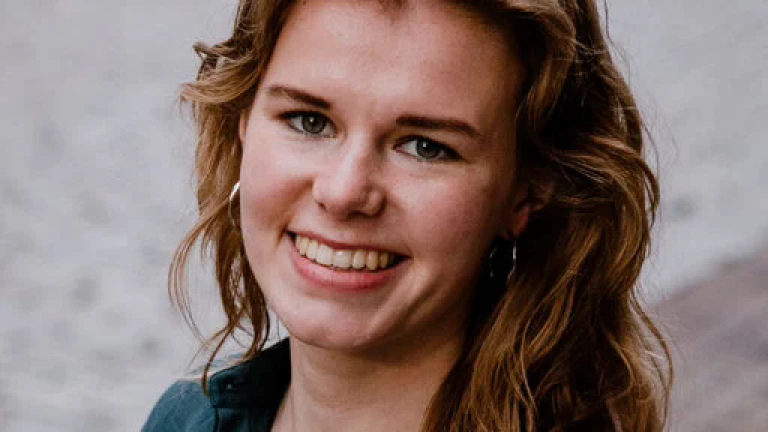
Sanne Ettema defended her PhD thesistitled 'Rising to advanced gait rehabilitation– Assessment of body weight supported gait training after neurological injury' at the University of Groningen, in collaboration with Heliomare Rehabilitation Center, in January 2026, under the supervision of prof. dr. J.H.P. Houdijk, prof. dr. C.A.M. van Bennekom, dr. T.J.W. Buurke and Dr. S. David.
Since 2025, Sanne has been working as a postdoc at the department of Rehabilitation Medicine of the Amsterdam University Medical Center, Location AMC. In this role, she is involved in several projects focusing on preventing foot ulcers and improving balance control in people with diabetes and peripheral neuropathy.
What motivated you to pursue a postdoc, and how did you choose your research group or institution?
During my PhD, I discovered that I truly enjoy all different aspects of doing research, particularly in a clinical setting. As I approached the end of my PhD, I was determined to pursue a postdoc position that would allow me to build on my previous work by applying the more biomechanical aspects of Human Movement Sciences in a clinically oriented research setting. I therefore applied for a postdoc position in the Amsterdam UMC, as it perfectly matched my interests and ambitions. It offered the opportunity to be involved in multiple research projects and to join a highly regarded and supportive research team in the field of diabetes, under supervision of prof. dr. S.A. Bus and dr. S.J.J. van Netten. I am very happy and grateful to be part of this research group because of its innovative clinical research, the multidisciplinary collaborations and the supportive working environment. I believe this position and the research team provide the perfect opportunity to develop as a researcher and expand my professional network.
What have been the biggest challenges (or opportunities) and learning moments during your postdoc so far, and how did you navigate them?
The biggest challenge might be finding money to continue doing research. Another, but related, challenge is balancing the many demands of a postdoc within a relatively short two-year appointment, including supervising students, analyzing data, writing manuscripts, and applying for research grants. I try to address these challenges by working efficiently, setting clear priorities, and carefully planning my time. In addition, I receive guidance from experienced colleagues and supervisors which helps to further develop my skills in project management and grant writing.
What advice would you give to PhD candidates who are considering a postdoc—especially in terms of career planning, networking, or work-life balance?
My advice would be to choose a path that you genuinely enjoy and to make sure your work remains enjoyable. If you are passionate about research and determined to pursue an academic career, do not hesitate to seize opportunities when they arise. I would also recommend joining a research group that differs from the one where you completed your PhD. Working in a new environment with new opportunities for collaboration will not only increase your scientific output but also broaden your professional network and research scope. Furthermore, a postdoctoral position can be demanding, so it is important to set clear boundaries to maintain a healthy work–life balance. In the long run, this benefits not only you as a researcher but also your team. Finally, stay focused on your goals, be open to new opportunities as they arise, but above all, stay enthusiastic!
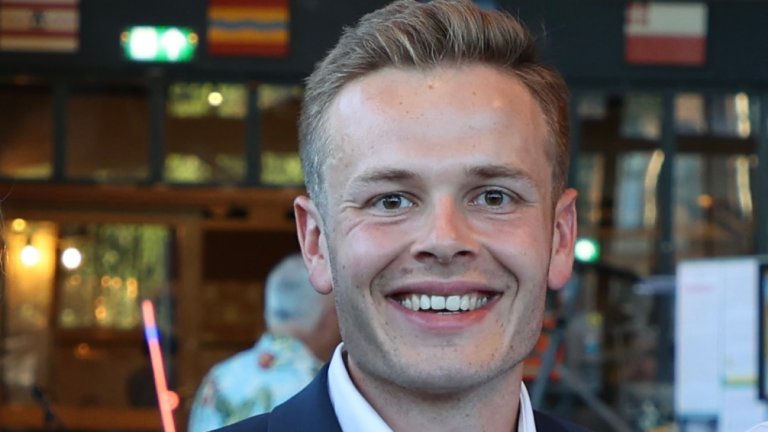
Jari Dahmen PhD
Jari Dahmen defended his thesis 'Incremental Cartilage Damage of the Ankle: Steps Towards an Evidence-Based Personalized Approach' at the University of Amsterdam in 2025, under the supervision of prof. dr. G.M.M.J. Kerkhoffs. He currently combines his orthopedic surgery residency with a postdoctoral research position at the Department of Orthopedic Surgery and Sports Medicine, Amsterdam UMC, where he focuses on personalized approaches to cartilage repair, orthobiologics, and translational musculoskeletal research.
What motivated you to pursue a postdoc, and how did you choose your research group or institution?
For me, continuing as a postdoctoral researcher was a natural step after completing my PhD. Throughout my doctoral training, I discovered that I genuinely enjoyed asking clinically relevant questions and translating them into research that could directly improve patient care. The combination of clinical work and scientific research is what motivates me most. Every day in the clinic generates new research questions, while research helps me make better-informed clinical decisions.Remaining at Amsterdam UMC was an easy choice because it provides a unique environment where orthopedic surgery, basic science, biomechanics, imaging, and clinical research are closely integrated. It also offers opportunities to collaborate with international researchers while staying closely connected to patient care. Combining my orthopedic surgery residency with a postdoctoral position allows me and the team to bridge clinical practice and research, which perfectly aligns with my long-term career ambitions as an academic orthopedic surgeon.I am particularly grateful to Prof. dr. G.M.M.J. Kerkhoffs, Dr. S.A.S. Stufkens, the department and the whole Amsterdam Ankle Cartilage Team for giving me the opportunity to continue my academic career while combining it with orthopedic surgery residency. Their mentorship and trust have allowed me to further develop as both a clinician and researcher, and have been instrumental in shaping my ambitions.
What have been the biggest challenges (or opportunities) and learning moments during your postdoc so far, and how did you navigate them?
The biggest challenge has been balancing two careers simultaneously: surgical training and postdoctoral research. Residency requires full commitment to developing surgical skills and delivering patient care, while maintaining an active research program requires protected time, discipline, and careful prioritization.At the same time, this combination has become my greatest opportunity. Clinical work constantly exposes me to unmet needs and practical challenges that inspire new research questions. My postdoctoral work has also expanded beyond clinical outcomes towards translational and laboratory-based research, including cartilage biology, tissue engineering, and molecular mechanisms of joint degeneration. Learning to integrate these different research domains has broadened my perspective and strengthened collaborations with clinicians, engineers, and basic scientists. I have learned that impactful research is rarely done in isolation, it thrives through multidisciplinary teamwork.
What advice would you give to PhD candidates who are considering a postdoc—especially in terms of career planning, networking, or work-life balance?
My advice is to think about your next step well before finishing your PhD. Build your network early by attending conferences, collaborating with other research groups, and reaching out to researchers whose work inspires you. Many opportunities arise through collaborations and conversations rather than formal job advertisements.It is also important to choose a postdoctoral position that genuinely aligns with your long-term ambitions. Whether you aspire to an academic career, clinical research, or industry, your postdoc should help you develop the skills and network needed to get there.Finally, stay curious and be willing to step outside your comfort zone. The most rewarding projects often involve learning new techniques, collaborating across disciplines, or exploring unfamiliar research areas. Those experiences not only make you a stronger researcher but also open doors to opportunities you may not have anticipated.
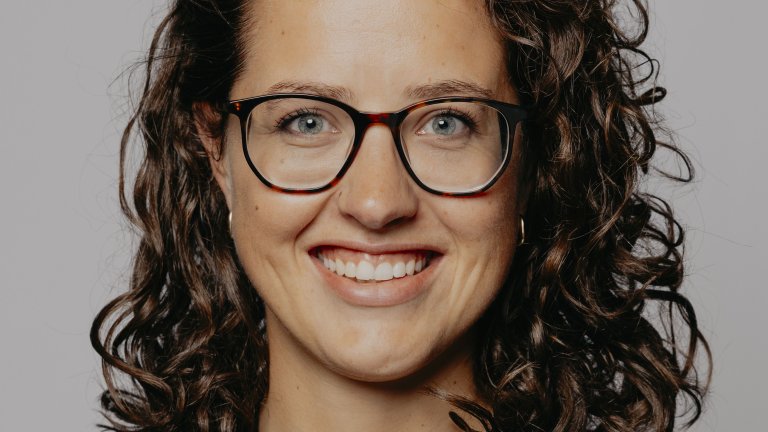
Isa Mast PhD
Isa Mast defended her Thesis 'Exercise as Therapy in Oncology – Exploring mechanisms and effects on clinical outcomes' at the Radboud University Medical Center in 2025, under the supervision of dr. Laurien Buffart, prof. dr. Hans Wilt, Prof. dr. Maria Hopman, and dr. Elske Gootjes. Isa currently works as a postdoc at the department of Radiology & Nuclear medicine where she focusses on exercise intolerance in heart failure and the use of exercise testing inside the MRI-scanner.
What motivated you to pursue a postdoc, and how did you choose your research group or institution?
I really like the diverse combination of tasks involved in clinical research: from collecting data with patients to performing complex data analyses, writing manuscripts, and presenting my work. Besides this, I have always been fascinated by exercise physiology and the ways in which we can use exercise to study and support clinical populations. This combination made me really enjoy my PhD and motivated me to continue my academic career as a postdoc. When I got the opportunity to return to the research group where I completed my MSc internship as a postdoc, I did not have to think twice.
What have been the biggest challenges (or opportunities) and learning moments during your postdoc so far, and how did you navigate them?
While still working in the field of exercise physiology, I made quite a substantial switch in research topic: from exercise intervention studies in patients with cancer to using MRI to study cardiovascular physiology. A big challenge for me was finding my way in a new department, learning many new techniques, and diving into a new research area, while simultaneously discovering my own independent research direction and focus for future grant applications.
On the other hand, switching between UMCs, research groups, and research areas provided many opportunities to learn new techniques that I was not able to use during my PhD. I learned a lot during the first year of my postdoc, which gave me new confidence. I believe this investment will pay off in the long term, as it provides a unique combination of skills: the experience gained during my PhD combined with the newly acquired expertise from my postdoc. I see this combination as a valuable foundation for my future career as a researcher.
What advice would you give to PhD candidates who are considering a postdoc—especially in terms of career planning, networking, or work-life balance?
I strongly believe in the power of networking. Try to maintain important contacts you have obtained during your MSc, PhD, or postdoc, attend conferences, and try to connect with new people during the early phases of your postdoc. Furthermore, I think it is most important to do work that you genuinely enjoy and that makes you happy (whether that is a postdoc or not). If you are proactive and clear about your ideas and goals, I believe people will be willing to support you in pursuing them.