
(1) Climate change, green environment, and health
Organized by Global Health & Mental Health
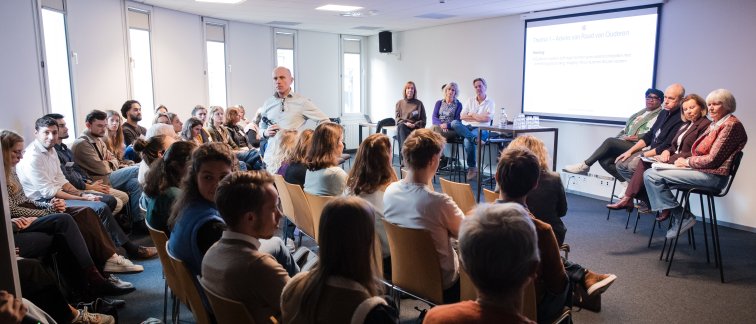
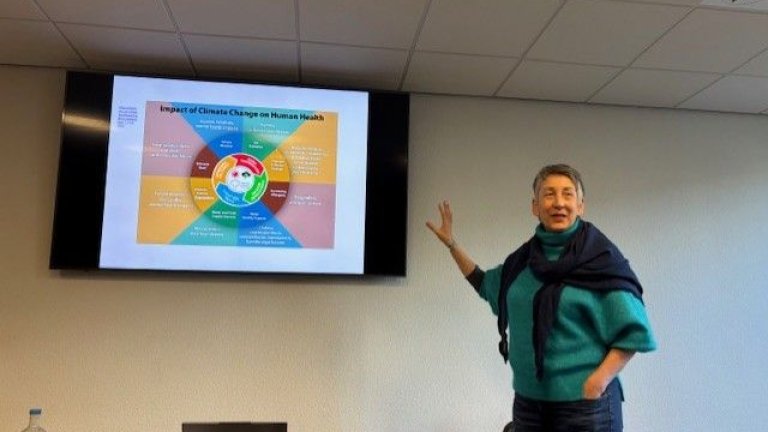
The session highlighted the profound and multifaceted impacts of climate change on both the environment and human health, emphasizing that rising temperatures, extreme weather, and environmental degradation contribute to worsening air and water quality, the spread of infectious diseases, and increased trauma from disasters. The presenters—dr. Jurjen Luykx, Philip Elders, and dr. Jolanda Maas—explored global research illustrating how climate-related events and long-term changes, such as droughts and rising sea levels, can trigger mental
health challenges including stress, anxiety, depression, PTSD, and chronic grief, particularly in communities closely connected to their land. The session also addressed the phenomenon of climate anxiety, especially among younger generations concerned about the planet’s future. Participants discussed the importance of mental health as a key component of climate resilience, with green environments offering protective benefits by reducing stress, improving mood, and fostering community cohesion. Strategies to build resilience were
examined, focusing on environmental and public health interventions that support both mental and physical well-being in the face of climate change. The session rounded up with a plenary discussion chaired by program leader MH Annet Kleiboer with the speakers and participants, which was very active and interesting.
(2) Contemporary public health challenges from a complexity perspective
Organized by Health Behaviors & Chronic Diseases
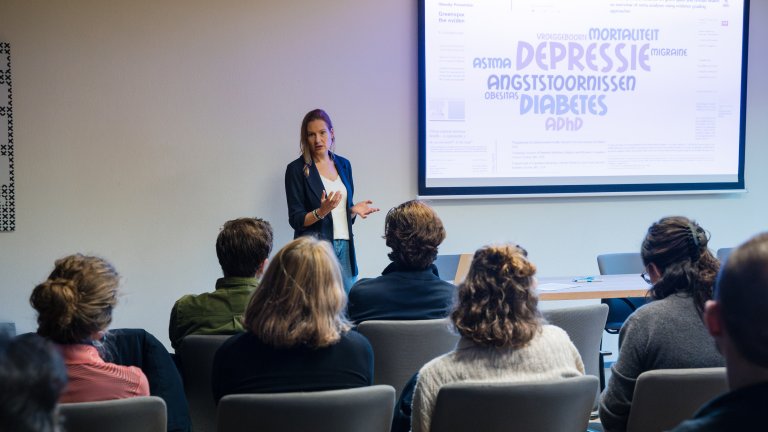
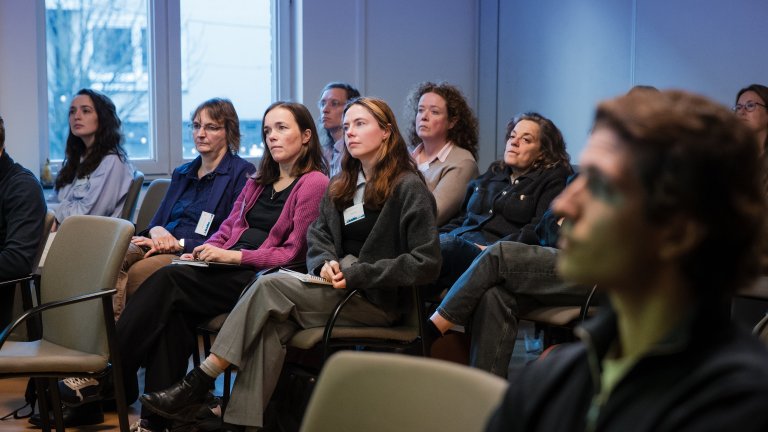
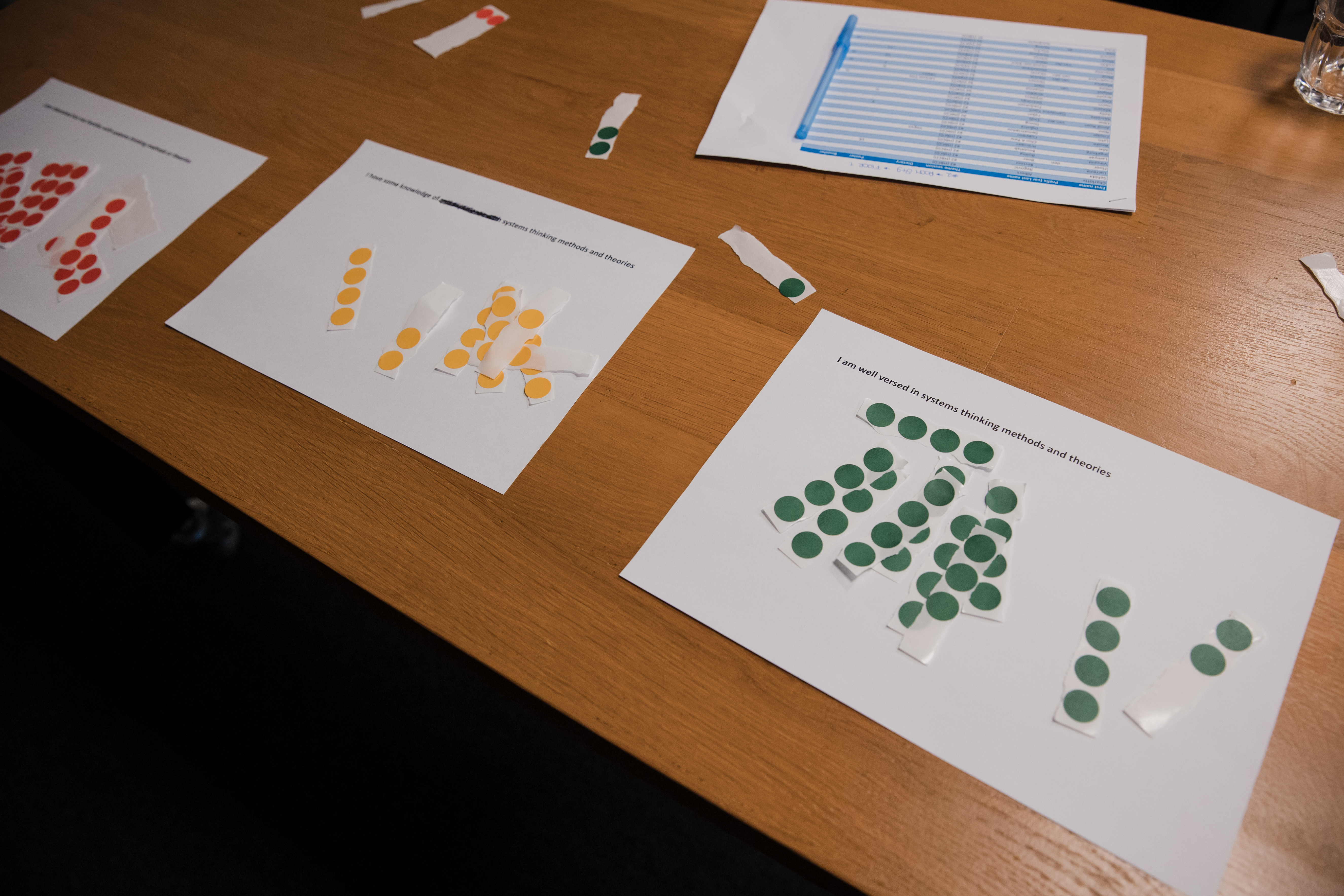
The session underscored the urgent need to bridge the gap between knowledge and action in tackling public health and sustainability challenges, highlighting that health, equity, prosperity, and planetary well-being are interconnected outcomes emerging from complex systems shaped by feedback loops and dynamic interactions. This complexity was illustrated through practical research examples in nutrition and smoking, which demonstrated how systemic drivers influence outcomes. Following a plenary introduction, participants engaged in small-group discussions to explore the underlying causes that shape all four dimensions—health, equity, prosperity, and sustainability—considering their interlinkages, and to define research questions aimed at addressing these root drivers.
(3) Digital sustainability: the hidden impact of data and methods
Organized by Digital Health & Methodology
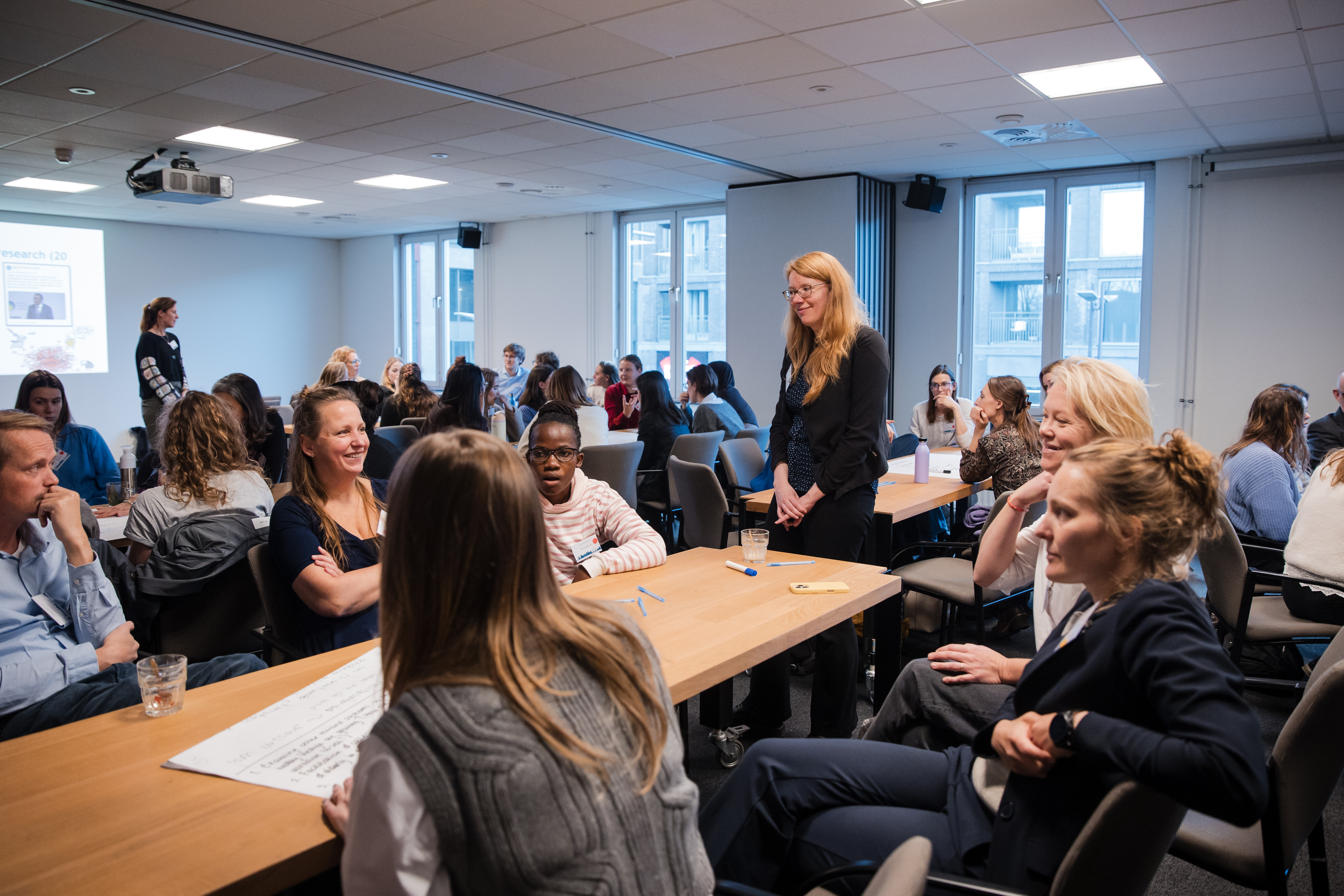
The session was opened by Azam Nurmohamed and Viola Brouwer, who invited all APH researchers to get in touch to work together on digital sustainability. Azam introduced the wider ambition of Amsterdam UMC to embed digital sustainability in daily practice, linking it to the strategy for ‘A Healthy Future for All’. Together they encouraged everyone to reflect on how we can support the digital transformation while reducing our carbon footprint. Charlotte Lafage then took us on an engaging tour of the carbon footprint linked to our digital and non-digital actions. Did you know that a one hour Zoom meeting produces more than a thousand times the CO2 of a single Google search, and that saving a large Word document produces even more? This prompted many of us to think about how we can lessen our digital footprint. Next, Arnaud Lauteslager introduced sustainability efforts at Amsterdam UMC. Our hospital is the fourth largest CO2 emitter in Amsterdam, and the combined clinical, research and digital infrastructure consumes as much energy as a Dutch town like Deventer. This means we need to be more conscious of our digital behavior, for example by using shared cloud spaces instead of isolated structures, collecting only the data we truly need, and building awareness of our growing digital footprint. Finally, Oscar van der Meer shared practical strategies for optimizing research pipelines, such as choosing the right tools, avoiding unnecessary repeated measures, and testing workflows with smaller datasets before moving to full data files.
(4) College Tour: Aging in place through the eyes of older people with life experience
Organized by Aging & Later Life
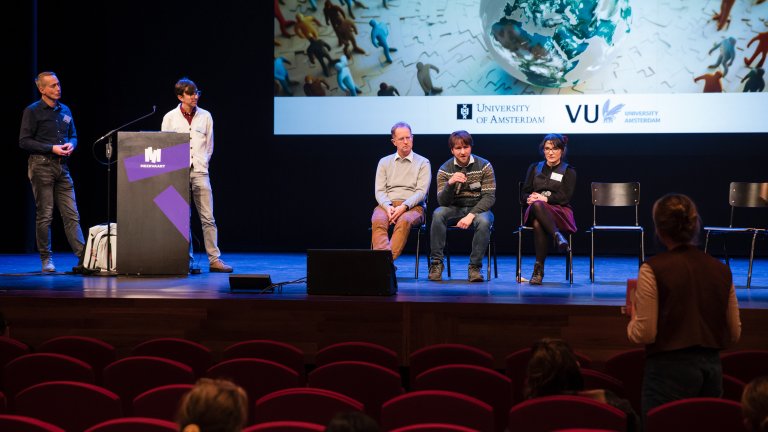
Over 10 years ago, the government eliminated residential care for people with low care needs, promoting aging in place. Aging & Later Life organized a session around this theme to discuss topics such as alternatives for residential care homes (e.g. multigenerational housing concepts), informal caregiving, and cultural perspectives on aging in place.
To ensure we talk with and not about older people, we invited a panel of older people:
- A former occupational therapist who lives in a future-proof home she helped design and who advocates for the needs of older persons in the Utrecht region.
- A chairperson of the regional older persons network and a member of the ‘Raad van Ouderen’ presented a recent advice offered to the minister on future housing requirements for older persons.
- A member of the client council of a health organization in Amsterdam, who is involved in initiatives for different housing concepts, including multigenerational living and apartment blocks for people aged 55 and over with shared spaces.
- A former employee of Child Protective Services, with a Surinamese background, who lives in a group home for older people from Suriname.
Together with three researchers who focus on technologies that could support aging in place, they reflected on several prepared statements and questions raised from the audience. The session was lively and interactive and the diversity of the panel ensured different viewpoints were discussed. It was a meaningful exchange that could have gone on longer. We ended the session with the following take-away: it is never to early to discuss where you would want to grow old and what you would want or need your living space to look like.
(5) Sustainability as method: Embedding environmental awareness, reflexivity, and equity in research practices
Organized by Quality of Care
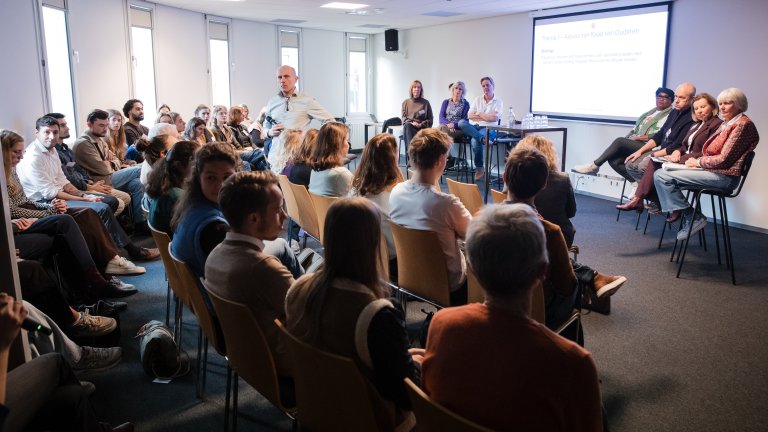
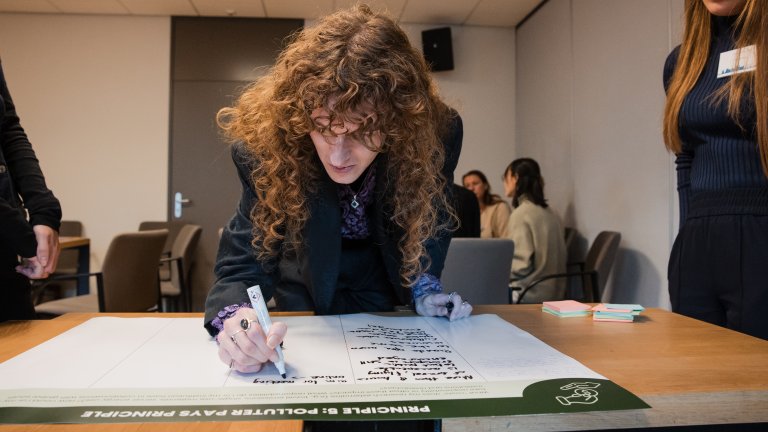
In this interactive session, led by Natalie Evans and Willemijn Klein Swormink, we explored how reflexivity, care, and environmental awareness can reshape research practices. We discussed the importance of perspective-taking, community engagement, and equity in the green transition, emphasizing how researchers can integrate inclusive and just approaches through study design, methodology, and ethical reflection. To give participants practical guidance, we introduced five ethical principles for researchers working toward a just transition:
- Informed Consent
- Leave No One Behind
- Do No Significant Harm
- Precautionary Principle
- Polluter Pays Principle
Participants then formed small groups to brainstorm how these principles could be applied to their own research projects. This was followed by a plenary discussion on the insights and challenges researchers encountered when reflecting on these principles, as well as what they need from their institutions to embed them in daily research practice. For those interested, elements of the exercise can be accessed here.
The session concluded with a brief evaluation and a call to continue engagement with sustainability using a ‘zine’ developed by the RE4GREEN project which outlined the knowledge, skills and values of ‘sustainable’ researchers and contained reflexive questions on research practice.
The positive feedback affirmed the meaningful reflections, practical value, and new perspectives the session offered to researchers committed to more just and sustainable research practices.
(6) Coloring connections. Researching gender, intersectionality, and health in the climate crisis
Organized by Personalized Medicine
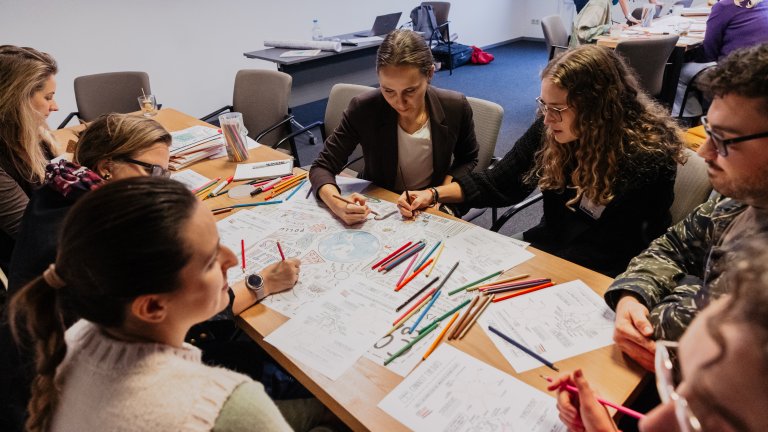
In our session, Petra Verdonk hosted aworkshop around the book “coloring connections”. Due to a slight misunderstanding, this book focusing on health, gender and the climate crisis accidentally became a coloring book, which we can now only call a ‘happy little accident’.
After a brief introduction and explanation of the concepts of heat stress, climate-proof cities, and petro-masculinity, the participants started working on coloring pages on these topics. These coloring pages had fun activities like connect-the-dots, as well as questions that called for some reflection, such as: “which groups are most likely to be affected by heat stress, and how do these identities intersect?”.
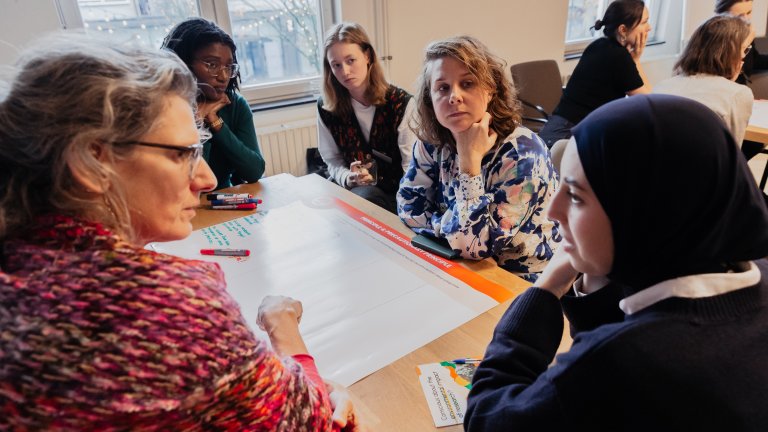
Afterwards, the subgroups got to work collectivelyon a big coloring page. We reflected on how this related to our work, and how the different concepts and objects on the coloring page related to each other. Discussing these very serious and urgent topics felt a bit less heavy as we were working on our coloring pages. In addition, we got to know each other and each other’s research through coloring.
The session rounded up with a plenary discussion of the conclusions of the subgroups . In response to an attendees’ question: “what we can do about this?”, the session ended with Petra’s wise words, quoting Rosi Braidotti: “we can always question some assumptions”.
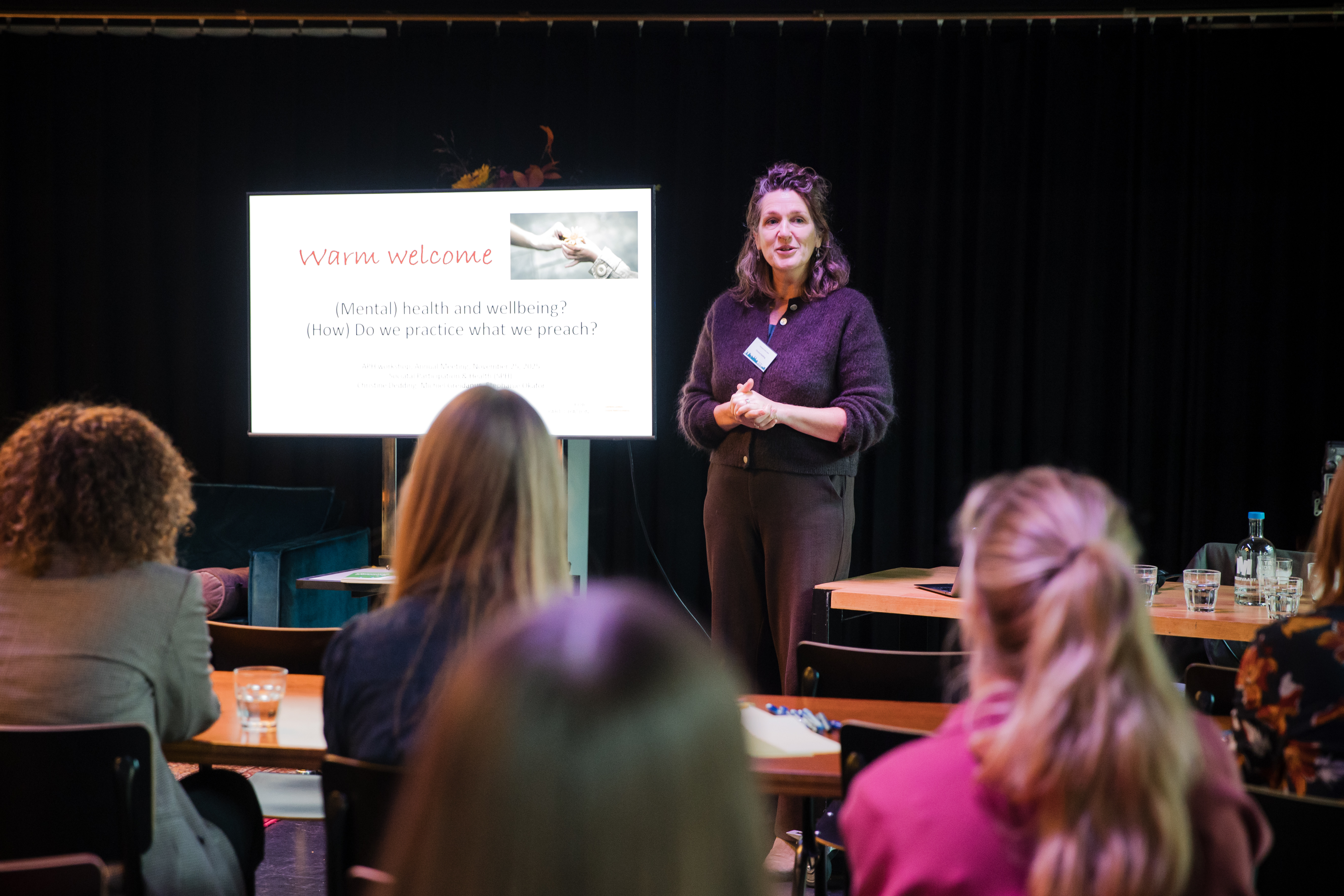
(7) What about our own (mental) health and wellbeing? (How) Do we practice what we preach?
Organized by Societal Participation & Health
During the interactive workshop organized by Societal Participation & Health, in collaboration with the APH Diversity, Equity & Inclusion (DEI) committee, participants were invited to reflect on their own (mental) health and wellbeing as researchers. The session provided an open space for reflection, sharing, and inspiration, with the aim of making a collective impact on how we care for ourselves within the academic world.
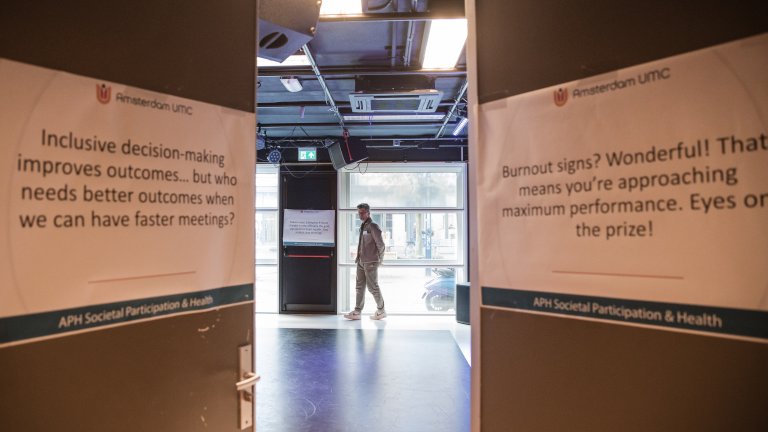
Setting the scene The workshop began with a unique atmosphere: participants walked in on a red carpet and were encouraged to ‘slow down’, leaving behind the daily hustle and bustle. Several posters with humorous and critical messages, such as “Comfort boost! Work only with people who already agree with you. Harmony guaranteed, growth optional.” and “Burnout signs? Wonderful! That means you’re approaching maximum performance. Eyes on the prize!”, set a lighthearted tone.
The session started with the critical question: “Do we practice what we preach?” A first round of discussions quickly revealed that, more often than not, the answer was no. Participants realized there was room for improvement in how they prioritize their own wellbeing alongside their work.
Thinking outside the box Next, participants brainstormed creative ways to counteract prolonged sitting during work hours. Initially, this proved challenging as many were still in ‘research mode’, without much mental space for creativity. However, after some extra time and exercises, creativity started flowing, and several fresh ideas emerged.
Participants then shared tips on various topics (e.g., work-life balance, prolonged screen time) to enhance their own wellbeing, support their research teams, and improve APH as an organization. This sparked a range of innovative and practical ideas. After writing down their most valuable tips, participants folded them into paper airplanes - a symbolic gesture to reinforce these tips in their memory (and a playful reminder that most colleagues can still fold a paper plane).
Conclusion The session provided a valuable opportunity for reflection and sharing ideas on how we, as researchers, can better care for ourselves. Creativity was in full swing by the end, and participants left with new insights and practical tools to improve their own wellbeing. We look forward to integrating these ideas into our everyday work!
Photos by Laura Ponchel