


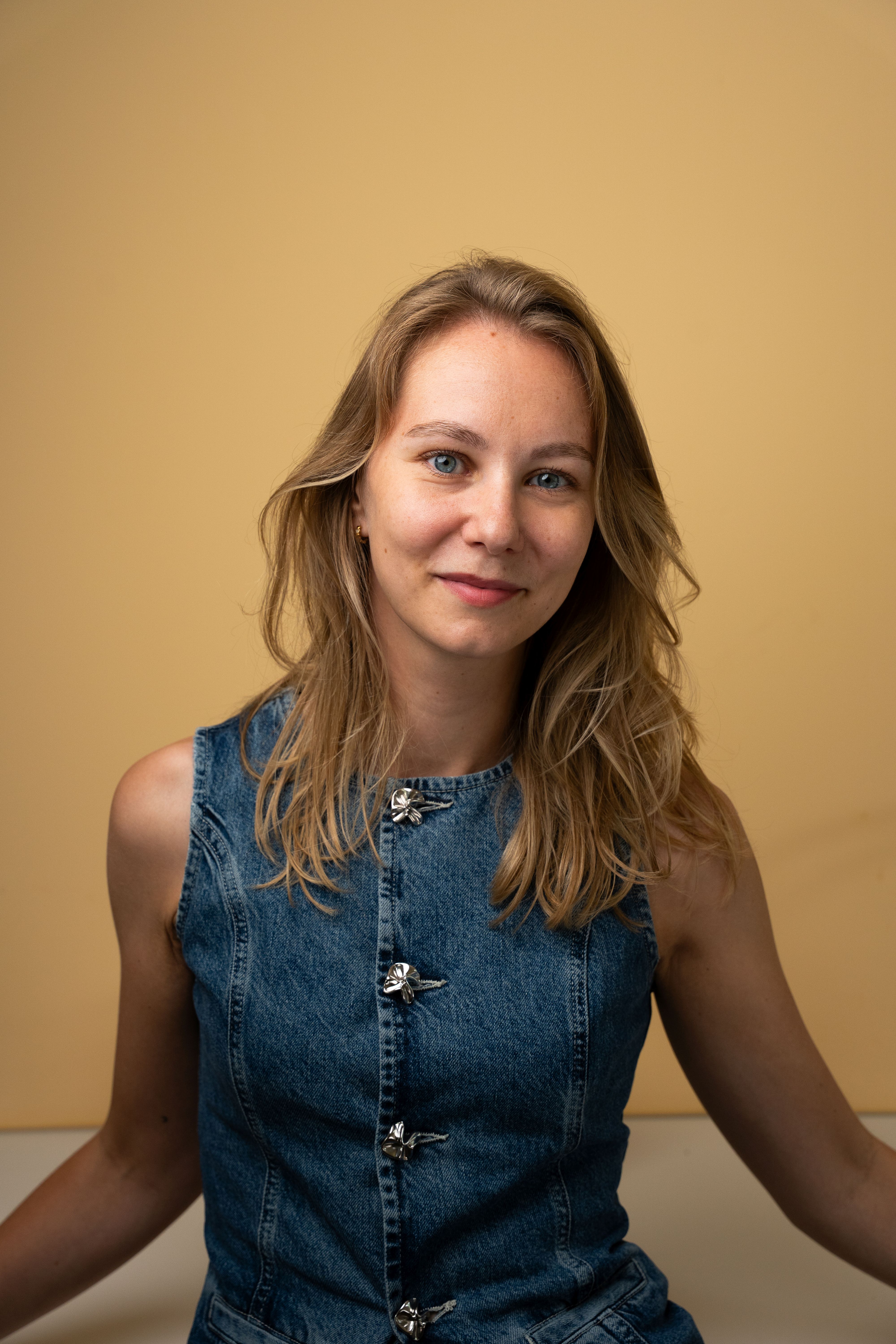
For Postdoc Appreciation Week 2026 (PAW_NL), we highlight Marlinde van Dijk, postdoctoral researcher at Amsterdam Public Health (APH), working at the Department of Public and Occupational Health, Amsterdam UMC. Her story shows how a PhD idea can grow into a nationwide approach to lifestyle care, and how a postdoc journey can be both exciting and uncertain.
From LOFIT to LILLO
As a postdoc, Marlinde is continuing the work she started during her PhD on the LOFIT study, which focused on the design, implementation and evaluation of the lifestyle front office (leefstijlloket) at Amsterdam UMC and UMC Groningen. Her current project, LILLO, takes the next step: implementing and optimizing lifestyle front office across hospitals in the Netherlands. “When I started my PhD during COVID, the leefstijlloket was still just an idea,” she says. “Now, there are around 30 lifestyle front offices. You don’t dare to dream of that at the beginning of a PhD.”
From nursing to research
Marlinde’s interest in lifestyle care is rooted in her background as a nurse. She later studied Health Sciences because she wanted to understand healthcare beyond the individual patient. During her first bachelor internship, she became interested in the gap between medical treatment and healthy living. “There was so much attention for measuring patients’ health outcomes, but lifestyle was hardly part of their recovery. My PhD project showed that there is a way to make lifestyle part of treatment.”
Connecting healthcare and the social domain
Collaboration is at the heart of Marlinde’s work. Lifestyle front offices connect patients with support for healthier lifestyles, but they can also act as a bridge to the social domain. One patient, for example, wanted to quit smoking. But it turned out she’d also become socially isolated because she could no longer get to church, so they helped arrange that too. “It shows how different people can come together to make a difference for one person,” Marlinde explains. “From healthcare professionals and municipalities to people organizing walking groups.”
From PhD to Postdoc
Marlinde describes her transition from PhD to postdoc as very smooth. She was offered the opportunity to continue working on lifestyle care while also being given time to finish her PhD. But she is very aware that the postdoc phase can be a strange one. “You spend four years learning how to do independent research, and then suddenly you enter this strange transition phase. You know a lot, but your voice doesn’t necessarily carry the same weight yet.”
For Marlinde, a supportive team and open communication have made a big difference. At the same time, she recognizes the uncertainty that comes with temporary contracts and questions about what comes next.
Keeping research close to practice
Marlinde clearly enjoys being a researcher. She particularly values the variety: “I like switching hats. One day I’m doing interviews, the next I’m analyzing data or organizing an event. There’s always another challenge to take on.”
Looking ahead, she hopes to keep one thing in view: the connection with practice. As a former nurse, she knows how important it is that healthcare innovations make sense to the people who actually use them. “A lot of things designed for nurses are designed from an ivory tower. I always want to keep that connection with practice.”
Advice to PhD candidates
Her advice to PhD candidates and postdocs is equally open-minded: don’t see your choices as definitive. “We tend to think: ‘I made this choice, so I have to finish it.’ But life is much more flexible. You’re allowed to change your mind.”
Marlinde also encourages PhD candidates to make use of the opportunities available within APH, such as travel grants. In 2024, she received an APH Travel Grant and visited researchers in Sweden. “It was confirmation that I really enjoy research. You do the same things, but in a completely different group. It was great.”
Fun facts
And finally, some quick questions: Coffee or tea? Tea, although she admits she would definitely miss that first cup of coffee in the morning.
A paper everyone should read? Her own papers, of course, especially the upcoming LOFIT effect paper.